















14 Best Growth Marketing Tools Worth Investing In 2026
Published By John Desyllas
September 23, 2026

23/09/26
From acquisition to retention, the right growth marketing tools can help you understand user behavior, test faster, and act on real data instead of assumptions.
In this guide, we’ve selected the best tools worth checking out. Each one solves a specific problem, from analytics and automation to conversion optimization, so you can focus on what actually drives results.
Turn visitors into customers with smart email automation
Capture leads, nurture users, and drive conversions with powerful workflows.
Try MoosendWhat is Growth Marketing?
Growth marketing is a data-driven approach focused on optimizing the full customer lifecycle. So, instead of relying on one-off campaigns, growth marketers continuously test, analyze, and improve every stage of the funnel, including activation, retention, revenue, and referrals.
In practice, this means running small experiments, learning from real user behavior, and scaling what works. The goal isn’t just to bring users in, but to keep them around and turn them into long-term customers.
Growth Marketing Tools: Comparison Table by Category
Here’s a quick overview of the growth marketing tools on our list, organized by category.
| Category | Best For | Pricing | Free plan | |
| Moosend | Email marketing | Email automation and lifecycle marketing | $9/month | 30-day trial |
| Constant Contact | Email marketing | Small business marketing | $12/month | 30-day trial |
| ActiveCampaign | Automation | Advanced automation and CRM workflows | $19/month | 14-day trial |
| Zapier | Automation | Connecting tools and workflow automation | $29.99/month | ✔️ |
| Google Analytics | Analytics | Website traffic and conversion tracking | Custom (for Analytics 360) | Free |
| Hotjar | Optimization | User behavior and conversion insights | $49/month | ✔️ |
| Userpilot | Optimization | Product onboarding and in-app experiences | $299/month | 14-day trial |
| Leadpages | Conversion | Landing pages and lead capture | $49/month | 14-day trial |
| Hunter | Outreach | Email prospecting and outreach | $49/month | ✔️ |
| Clay | Data enrichment | Lead enrichment and outbound targeting | $185/month | ✔️ |
| Intercom | Live chat | Customer messaging and onboarding | $39/month | 14-day trial |
| Drift | Live chat | Conversational lead capture | Custom | ❌ |
| Buffer | Social media | Social media scheduling and analytics | $6/month | ✔️ |
| Surfer | SEO & Content marketing | SEO content optimization | $119/month | ❌ |
1. Moosend
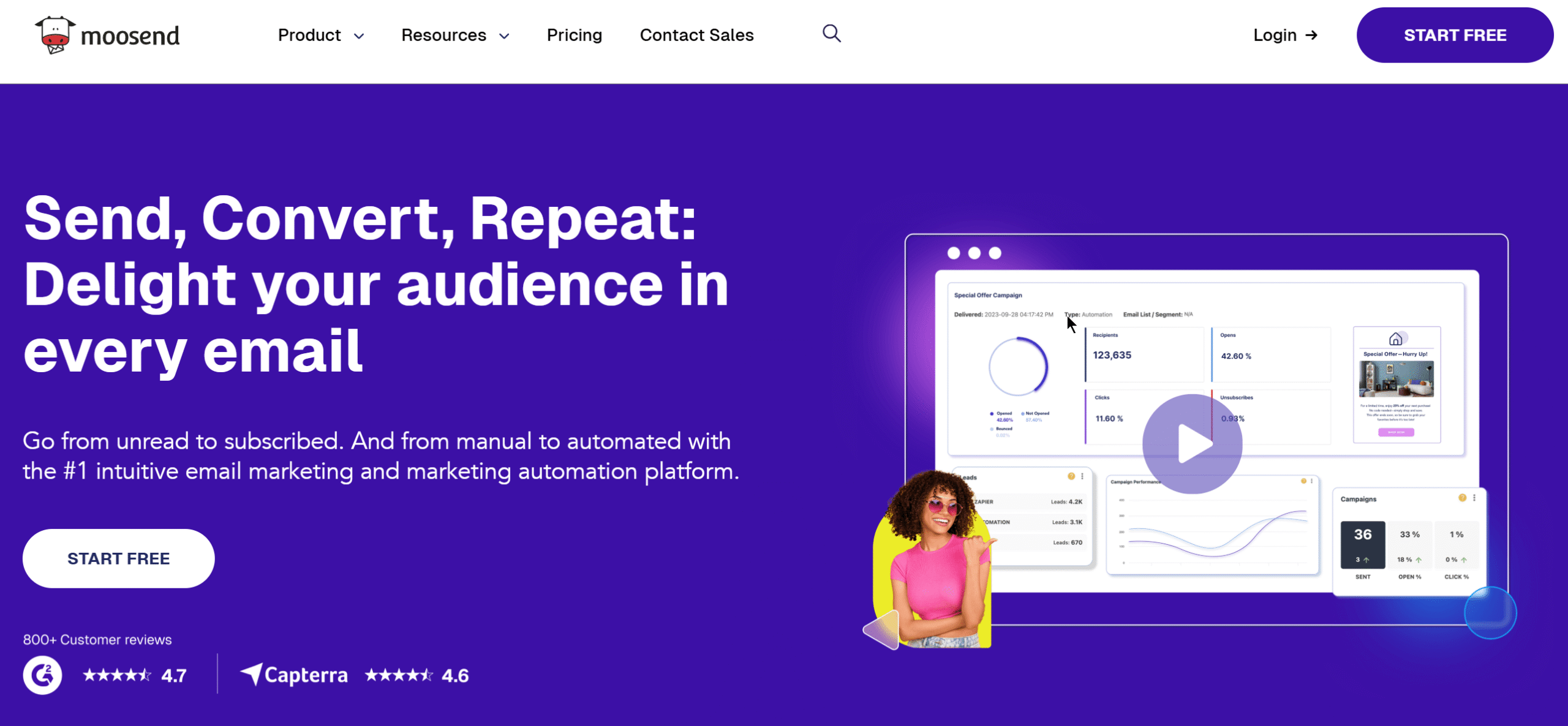
Pricing: 30-day free trial (Sign up here), paid plans start at $9/month
Why it matters: Builds automated lifecycle campaigns that drive conversions and retention at scale.
Moosend is an email marketing and automation platform built to help businesses capture, nurture, and convert audiences through targeted campaigns.
It offers a drag-and-drop email builder, pre-built automation recipes, advanced segmentation, and landing pages, allowing teams to launch campaigns and lifecycle flows without complex setup. You can create welcome sequences, abandoned cart emails, lead nurturing journeys, and re-engagement campaigns while tracking performance with real-time analytics.
Moosend also includes tools that support experimentation and optimization, such as A/B testing, behavioral triggers, and audience segmentation based on activity, demographics, or purchase behavior. These features make it easier to personalize communication and deliver the right message at the right time. Combined with unlimited email sends and scalable automation, teams can continuously refine campaigns and improve performance across the funnel.
Essentially, Moosend helps turn email into a predictable revenue channel. Marketers can stop relying on one-off campaigns and build automated journeys that nurture leads, activate users, and increase retention with minimal manual work.
2. Constant Contact
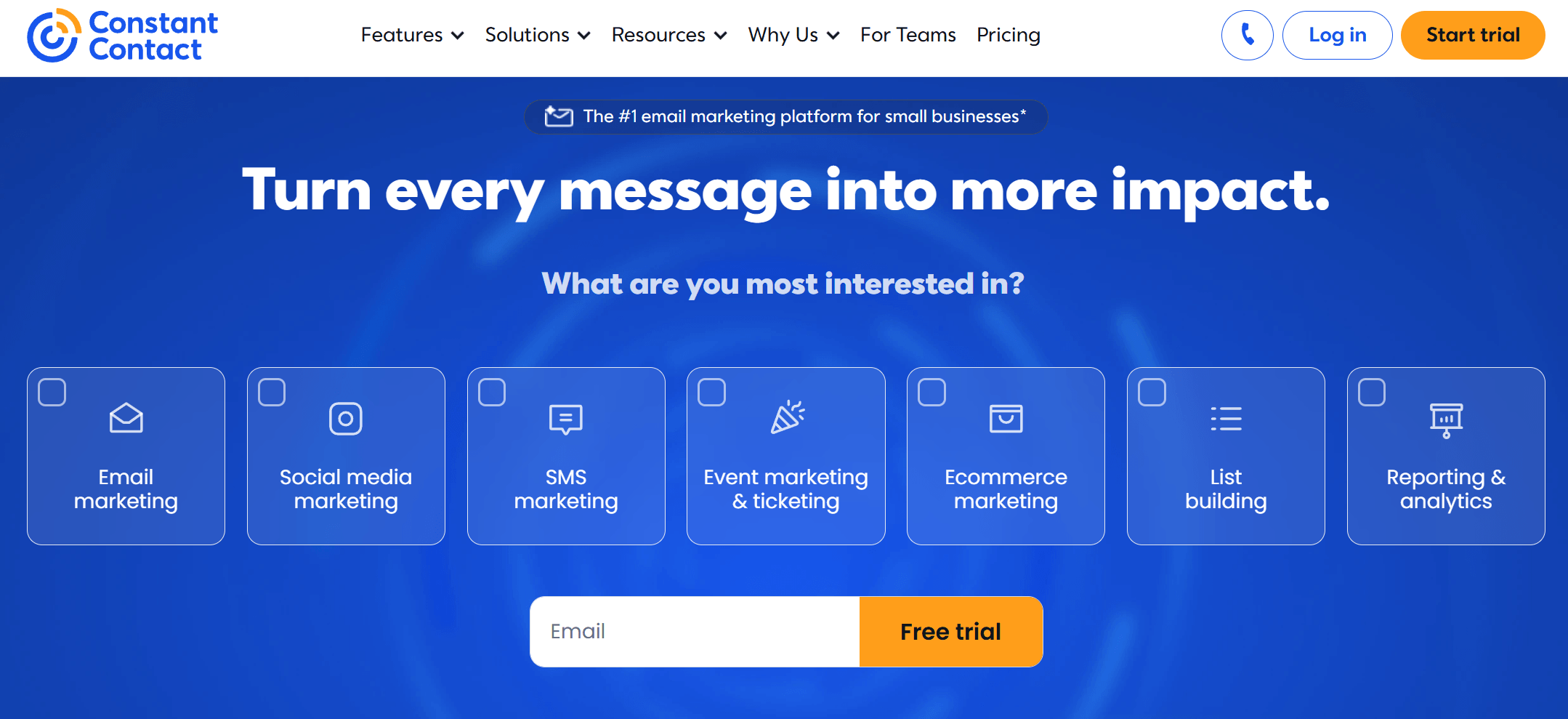
Pricing: 30-day free trial, paid plans start at $12/month
Why it matters: Combines email, social, and list growth tools for consistent audience acquisition and engagement.
Constant Contact is an email marketing platform designed for small businesses that want to grow their audience and communicate consistently across channels. It includes an easy-to-use email builder, ready-made templates, signup forms, and basic automation features to help teams launch campaigns quickly. You can effortlessly manage contact lists, segment subscribers, and track engagement metrics via an intuitive dashboard.
Beyond email campaigns, Constant Contact offers tools for social posting, SMS marketing, event promotion, and lead capture. These features allow marketers to collect contacts through landing pages and forms, promote content across social channels, and keep audiences engaged without using multiple tools. Built-in reporting helps identify which campaigns drive opens, clicks, and sign-ups, making it easier to refine messaging over time.
Constant Contact’s benefit is that it can support steady list growth and ongoing engagement. Teams can build repeatable acquisition workflows, capture new leads, and nurture them with targeted messaging across key marketing channels.
3. ActiveCampaign
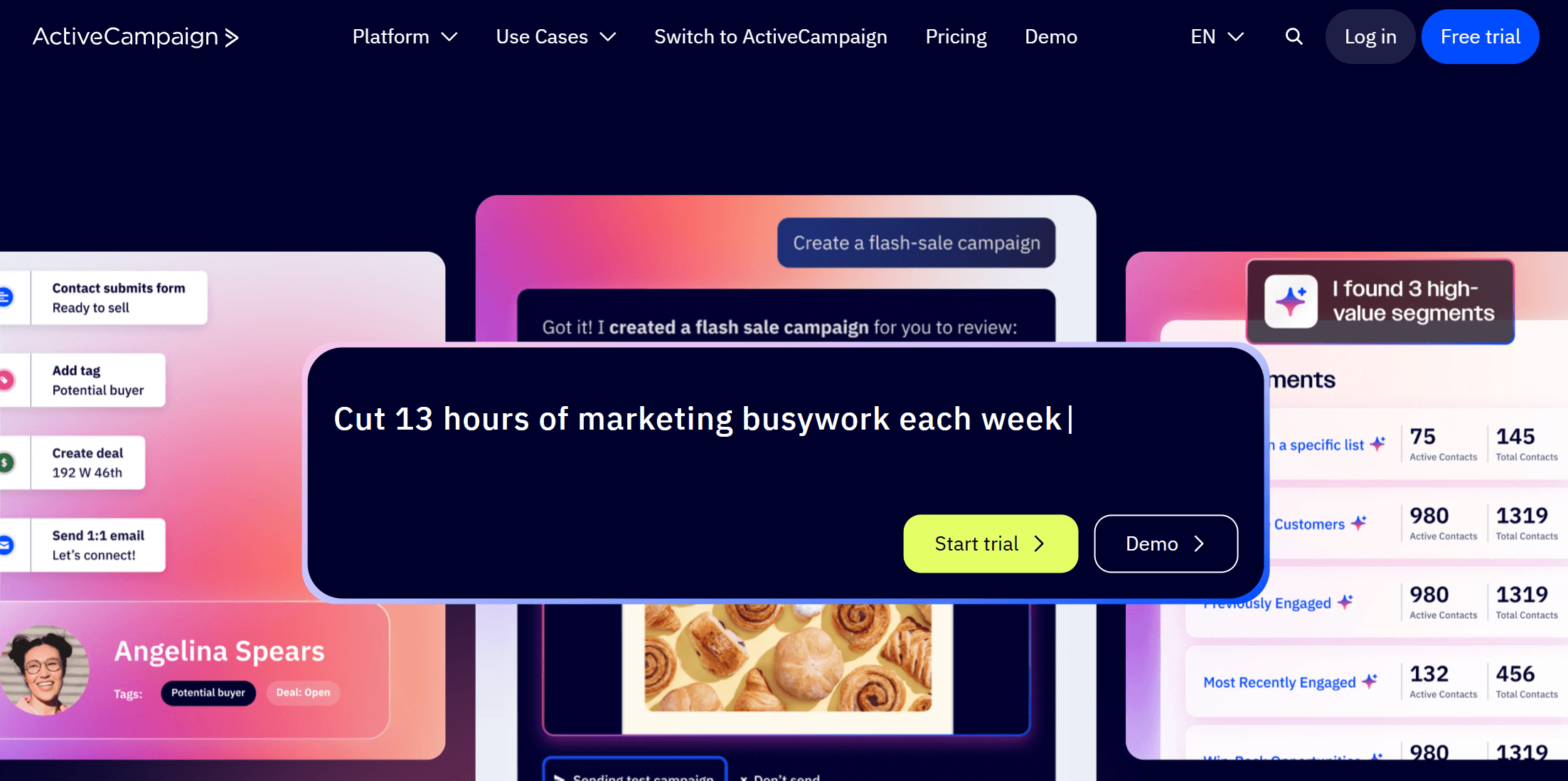
Pricing: 14-day trial, paid plans start at $19/month
Why it matters: Creates sophisticated, multi-channel customer journeys by combining CRM data with autonomous “Active Intelligence”
ActiveCampaign is a customer experience platform designed for brands that need to go beyond simple email blasts. It serves as a unified hub for email marketing, SMS, WhatsApp, and CRM, allowing growth teams to seamlessly sync sales and marketing efforts. With its visual automation builder and over 950 integrations, it enables the creation of complex workflows that respond to customer behavior in real time across multiple touchpoints.
The platform’s recent “Active Intelligence” can use AI agents to autonomously build and optimize campaigns based on your specific business goals. Beyond standard automation, ActiveCampaign offers features like “Predictive Sending,” which identifies the exact moment a user is most likely to engage, and AI-suggested segments that uncover high-value audience opportunities you might have missed. These tools allow for deep experimentation and personalization that scales without increasing your team’s workload.
Ultimately, ActiveCampaign is built for growth marketers who want to move beyond manual campaign management and create more connected customer experiences. By combining behavioral triggers, lead scoring, and AI-powered insights, businesses can deliver more relevant messaging across the customer journey while keeping sales and marketing aligned. That said, the platform’s depth and flexibility can come with a steeper learning curve, especially for smaller teams or beginners who only need simpler email marketing workflows.
4. Zapier
Pricing: free plan, paid plans start at $29.99/month
Why it matters: Connects numerous apps and automates tasks
Zapier is an automation platform that connects thousands of apps and lets teams create workflows without writing code. Using triggers and actions, you can automatically move data between tools. For example, you can send new leads from a form to your CRM, add subscribers to your email platform, or notify your team when a conversion happens. This reduces manual work and keeps systems in sync.
Zapier supports multi-step workflows, filters, and conditional logic, allowing teams to build more advanced automations as their needs grow. You can enrich lead data, trigger onboarding sequences, update spreadsheets, or route contacts based on behavior. Because it integrates with marketing, analytics, CRM, and support tools, Zapier acts as the glue that connects your growth stack.
All in all, Zapier is a great growth marketing tool for scaling experiments, maintaining clean data, and ensuring every user action leads to the next step in the funnel.
5. Google Analytics

Pricing: free to use, custom pricing for Analytics 360
Why it matters: Tracks user behavior and conversion paths to identify what drives growth
If you need a web analytics platform to measure website and app performance through event-based tracking and detailed reporting, then Google Analytics is just what you need.
It shows where users come from, how they navigate pages, which content performs best, and where conversions happen. With built-in reports for acquisition, engagement, retention, and monetization, teams can quickly understand how each channel contributes to growth.
The platform also supports custom events, conversion tracking, and audience segmentation. This enables analysis of specific actions, such as sign-ups, purchases, or feature usage. When combined with integrations such as Google Ads, Search Console, and other marketing tools, Google Analytics provides a clearer view of how campaigns influence user behavior throughout the funnel.
Instead of relying on assumptions, you can use this data to prioritize high-performing channels, optimize landing pages, and refine messaging. With these insights, you can allocate budget more effectively, fix weak spots, and scale strategies that drive conversions.
6. Hotjar
Pricing: free plan, paid plans start at $49/month
Why it matters: Reveals how users behave on your website to improve conversions and user experience
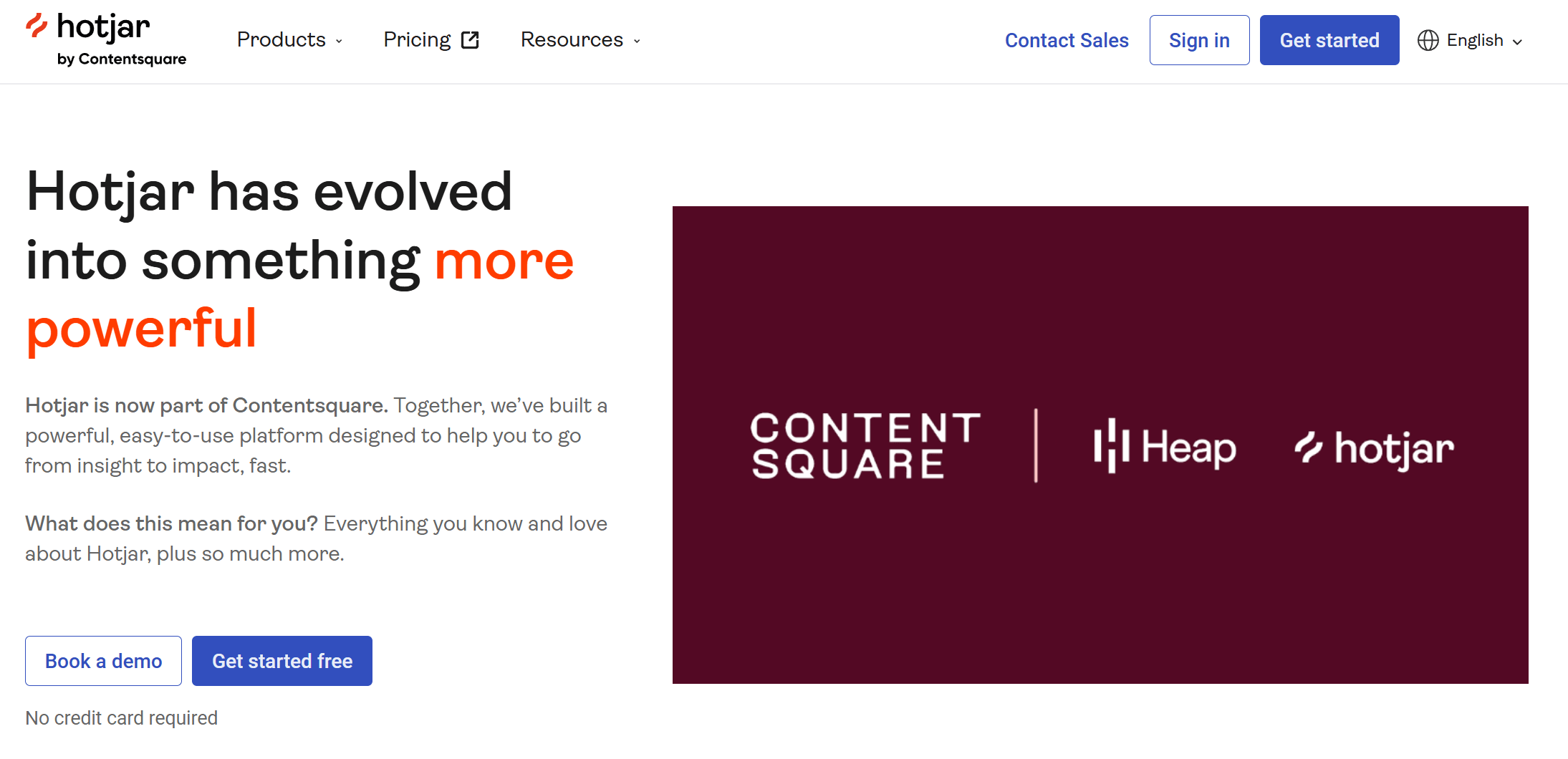
Hotjar is a behavior analytics platform that helps teams understand how visitors interact with their website. It provides heatmaps, session recordings, scroll tracking, and on-site feedback tools, allowing marketers to see where users click, where they stop engaging, and what captures their attention. This visibility helps identify friction points that traditional analytics tools often miss.
Hotjar also includes surveys and feedback widgets that collect qualitative insights directly from users. Instead of guessing why visitors abandon a page or fail to convert, growth teams can gather real responses and combine them with behavioral data. These insights help prioritize improvements, test hypotheses, and refine landing pages or product flows based on actual user behavior.
For growth marketers, Hotjar supports conversion rate optimization (CRO) and experimentation. By understanding how users move through the funnel, you can remove friction, improve messaging placement, and optimize key pages to increase sign-ups, purchases, or engagement.
7. Userpilot
Pricing: 14-day trial, paid plans start at $299/month (annual billing)
Why it matters: Powerful testing of user journeys and product experiences
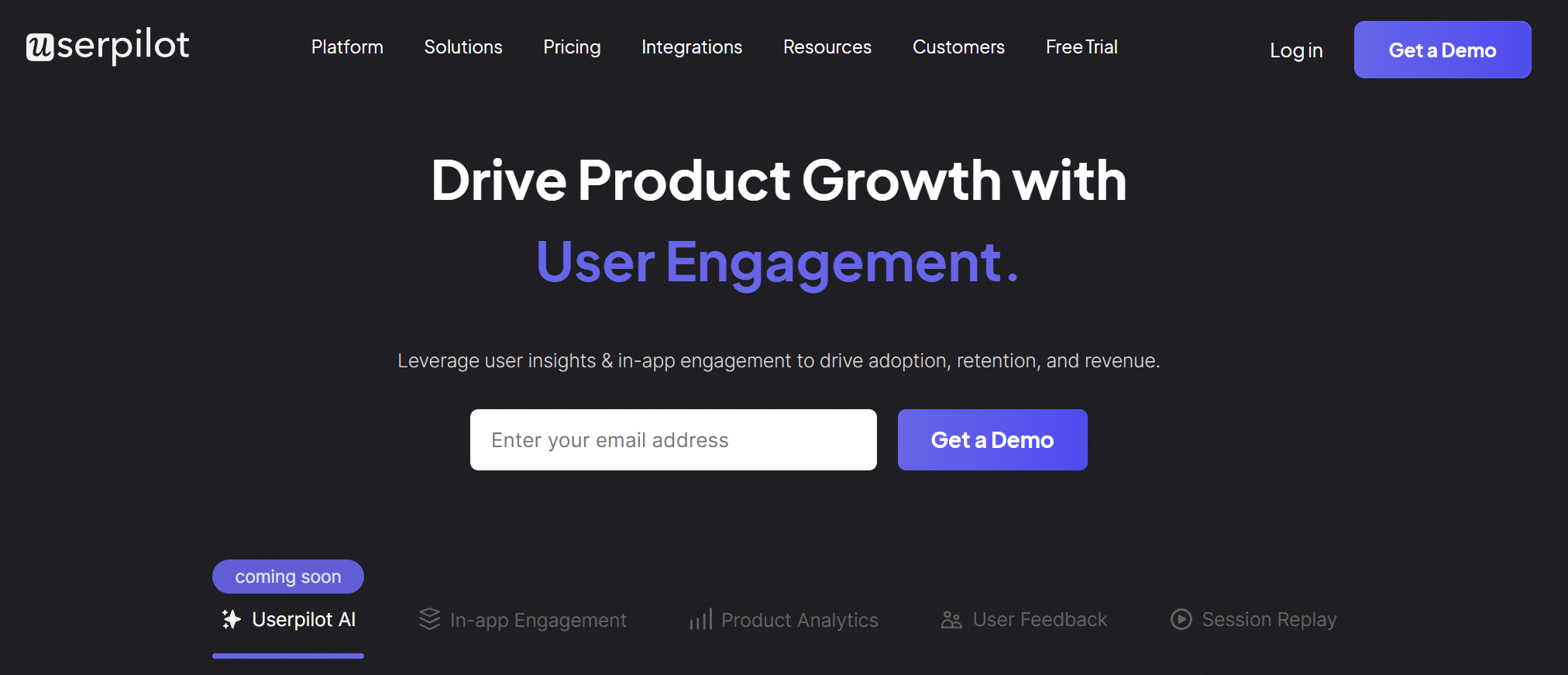
Userpilot is a product growth platform designed to help you understand what users are doing and, more importantly, influence their behavior in real time. By identifying exactly where users experience friction, growth teams can deploy contextual walkthroughs, tooltips, and checklists to guide them toward their “Aha!” moment faster.
The platform features an AI-driven Growth Agent that proactively identifies points where users get stuck in your funnels and suggests specific in-app interventions to fix them. Userpilot also integrates Session Replays directly into its analytics suite, allowing you not only to see that a user dropped off during a checkout flow but to watch why it happened. This combination of quantitative data (funnels and cohorts) and qualitative insight (replays and surveys) makes it a powerhouse for increasing activation and feature adoption.
Growth marketers can use Userpilot data to run A/B tests on different in-app experiences, such as testing two versions of a feature announcement, to see which drives higher adoption. By turning the product itself into a personalized engagement channel, Userpilot helps businesses scale revenue by turning more trial users into long-term, power users.
8. Leadpages
Pricing: 14-day trial, paid plans start at $49/month
Why it matters: Create high-converting landing pages and capture leads without developer support
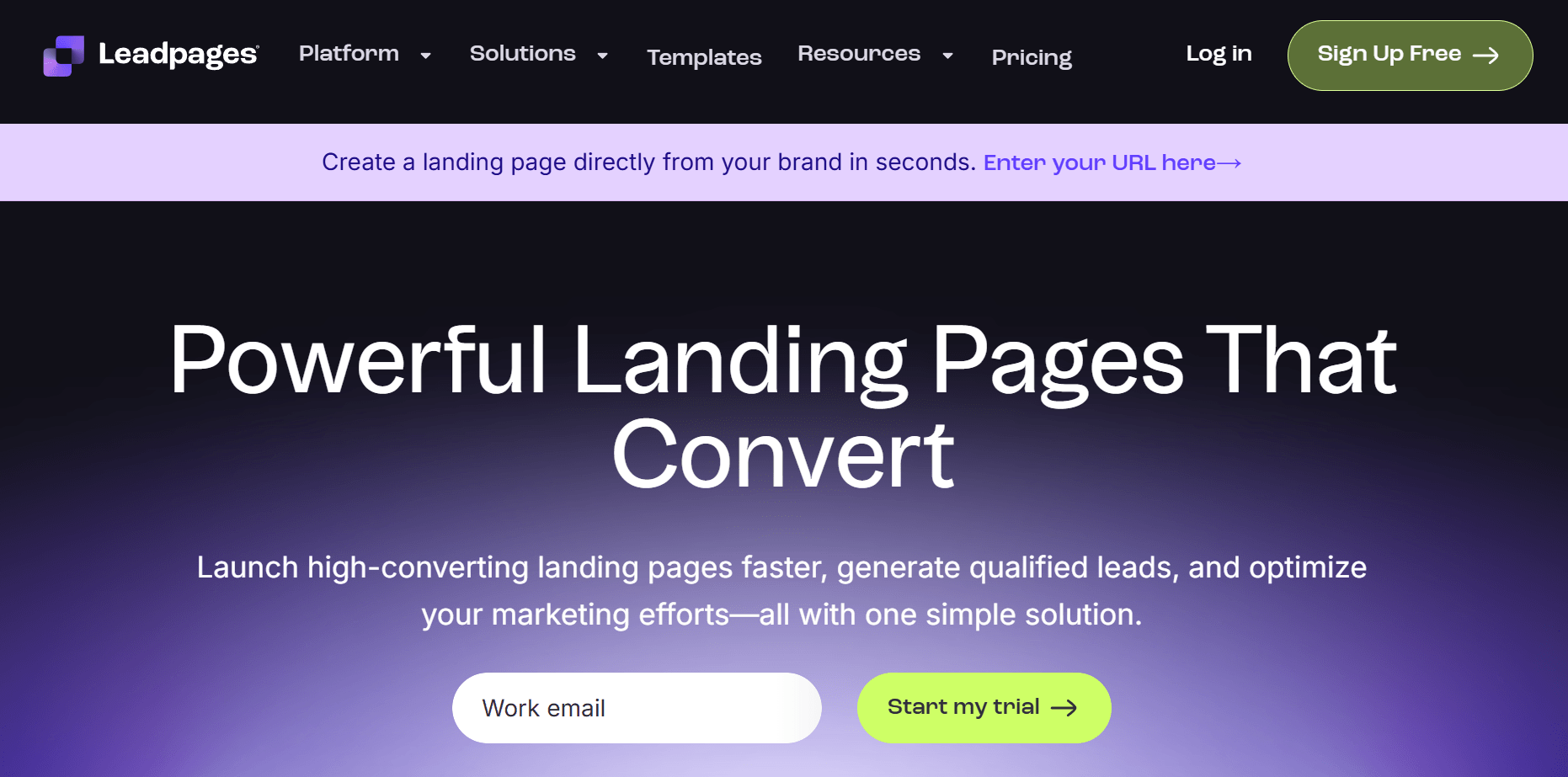
Often found among the best landing page builders, Leadpages is designed to help marketers launch conversion-focused pages quickly. It offers drag-and-drop editing, mobile-responsive templates, and built-in lead capture forms, allowing teams to create pages for campaigns, product launches, webinars, or lead magnets. Pages can be published on a custom domain, integrated with email platforms, and optimized without relying on engineering resources.
Leadpages also includes conversion tools such as pop-ups, alert bars, and A/B testing. These features make it easier to experiment with headlines, layouts, and calls to action to improve performance. Built-in analytics provide visibility into page views, conversions, and opt-in rates, helping teams understand which campaigns generate the most leads.
Growth teams can quickly spin up new pages, test offers, and iterate based on performance data, making it easier to scale lead generation and support ongoing acquisition efforts.
9. Hunter

Pricing: free plan, paid plans start at $49/month
Why it matters: Finds and verifies email addresses to power your outbound strategy
Hunter is a straightforward tool for finding the right people to contact. It takes the guesswork out of outreach by providing verified email addresses for almost any company. You can search by a specific name or browse an entire domain to see a list of employees. Each result includes a “confidence score” indicating the likelihood that the email will reach the person’s inbox.
The platform also includes a verification tool to clean your existing lists. This helps you avoid “bounces,” which happen when you send an email to an address that doesn’t exist. High bounce rates can hurt your sender reputation and land your emails in the spam folder. By verifying your data first, you ensure your messages actually get seen by real prospects.
Beyond finding data, Hunter offers a simple way to send cold email sequences. You can write your messages, schedule follow-ups, and track who opens or replies. It integrates easily with your favorite CRM or Google Sheets, making it a reliable choice for teams that want to start prospecting without a steep learning curve.
10. Clay
Pricing: free plan, paid plans start at $185/month
Why it matters: Enriches lead data and automates research to improve targeting and outbound performance.
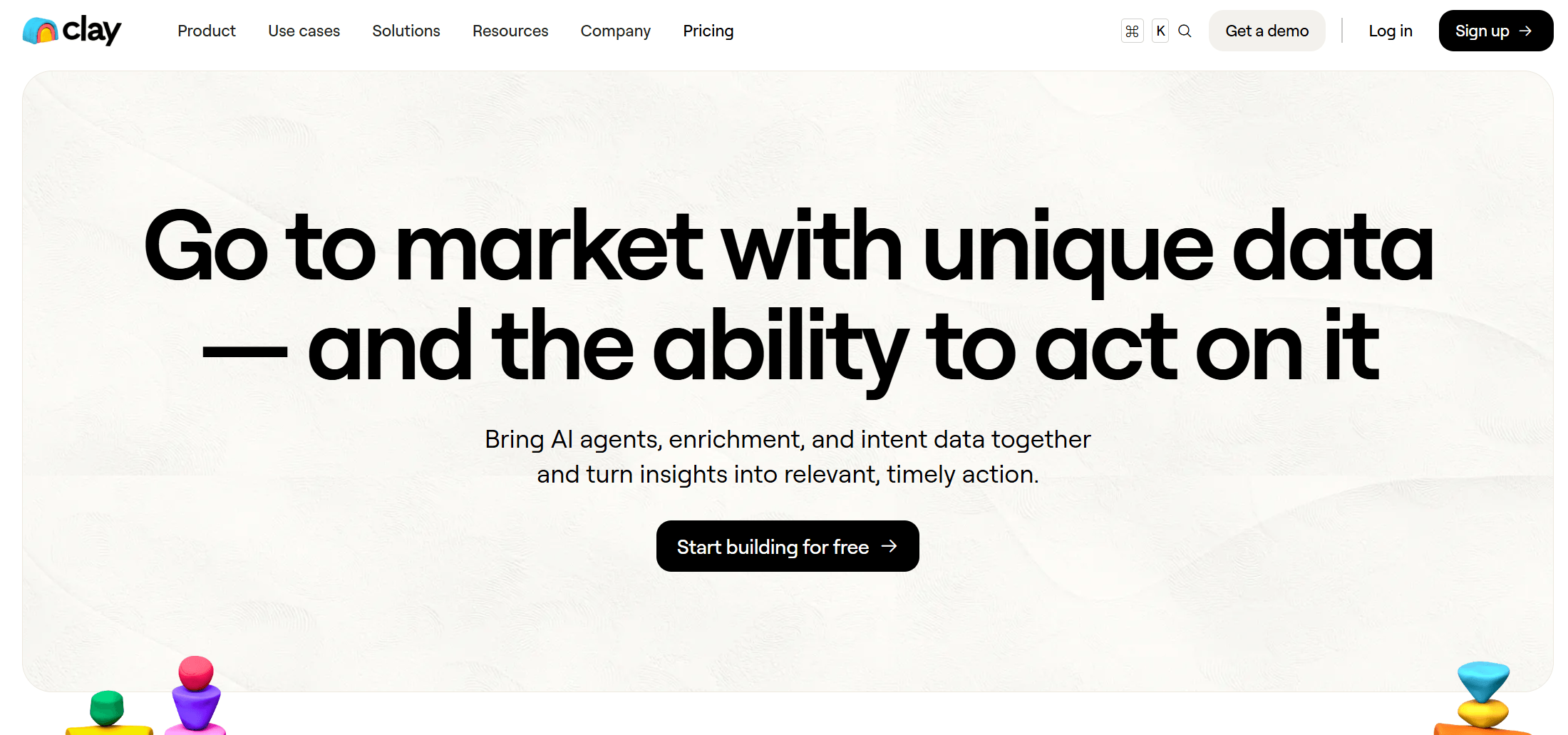
Clay brings together data enrichment and go-to-market automation in one place, helping teams find, qualify, and organize leads across multiple data sources. It combines prospecting, enrichment, and workflow automation in a spreadsheet-style interface, allowing marketers to pull company data, contact details, firmographics, and intent signals without switching tools. This makes it easier to build targeted lists and keep lead data up to date.
Clay also integrates with dozens of data providers and outbound tools to enrich contacts, score leads, and trigger actions based on specific criteria. You can identify high-fit accounts, personalize outreach with dynamic variables, and continuously refresh data as prospects change roles or companies. This reduces manual research and improves the accuracy of campaigns.
A key advantage is Clay’s ability to automate complex lead qualification workflows. You can combine multiple signals (like company size, hiring trends, tech stack, or intent data) to prioritize the most promising opportunities. This helps your team focus outreach on high-quality leads and improve response rates.
11. Intercom
Pricing: 14-day free trial, paid plans start at $39/seat/month
Why it matters: Centralizes customer communication with automation, chat, and in-product messaging
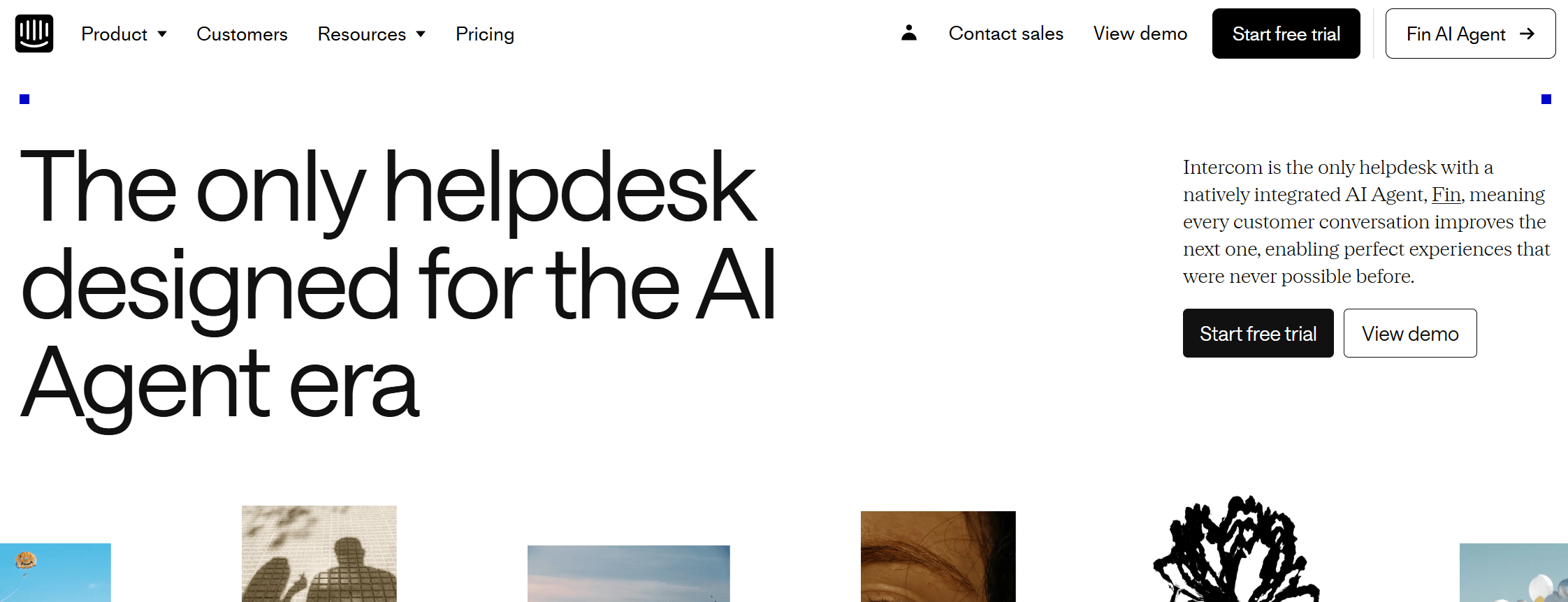
Intercom is a customer messaging platform that helps businesses communicate with users through live chat, in-app messages, and email. This means you can engage visitors in real time, guide onboarding, and provide support from a single interface. With targeting rules and behavioral triggers, messages can be personalized based on user actions, lifecycle stage, or attributes.
Intercom also includes automation features like chatbots, product tours, and proactive messaging. These tools help answer common questions, surface relevant content, and guide users toward activation without manual intervention. Integrations with CRM, analytics, and marketing platforms allow teams to sync data and maintain consistent communication.
Its main benefit lies in combining support, onboarding, and engagement in one place. Teams can reduce friction during signup, re-engage inactive users, and proactively assist high-intent visitors, thereby improving the overall user experience.
12. Drift
Pricing: custom quote (talk to sales)
Why it matters: Capture and qualify leads in real time with conversational marketing
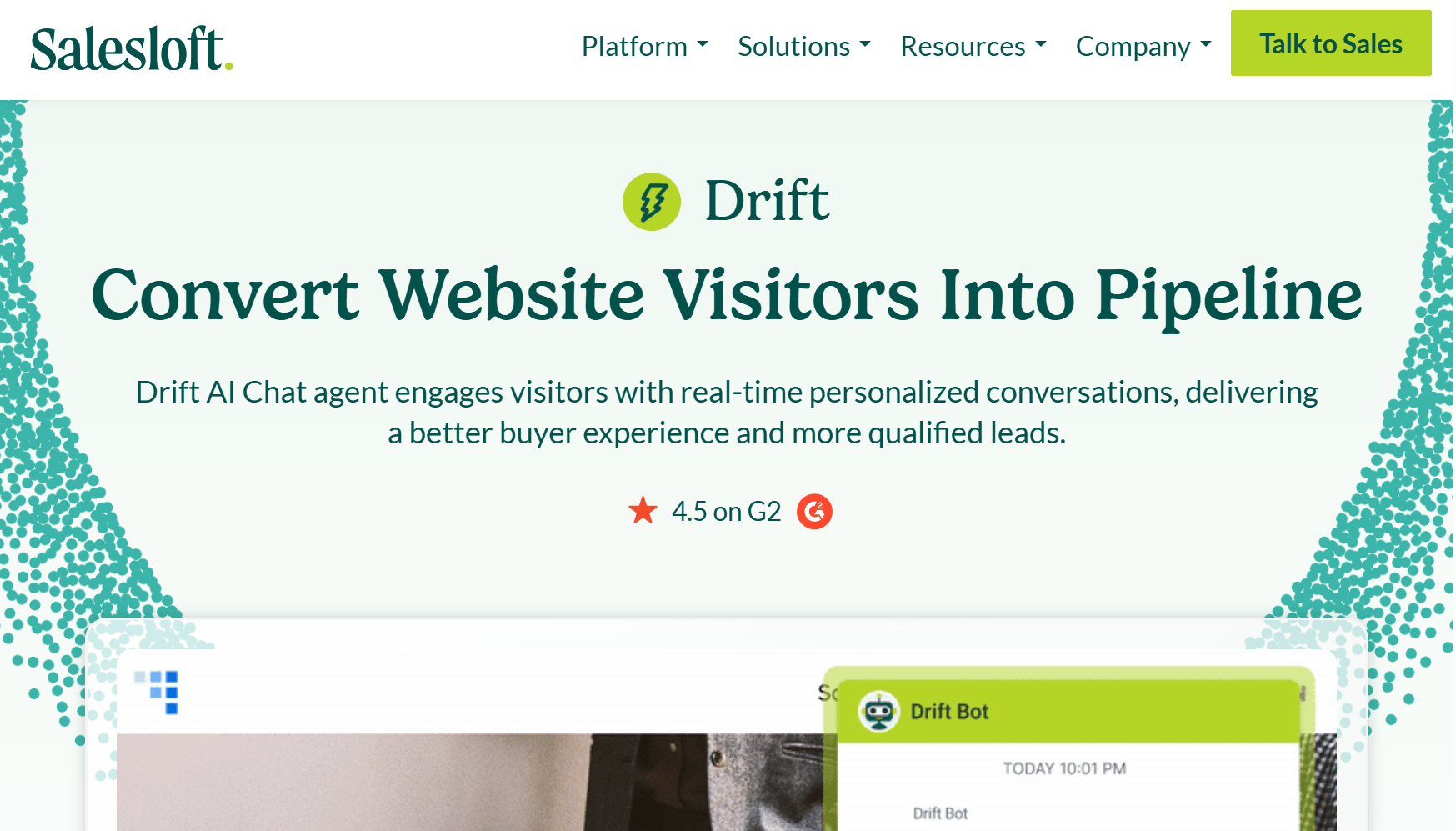
Drift brings conversational marketing to your website, allowing you to engage visitors through live chat, chatbots, and meeting scheduling. Instead of relying solely on static forms, Drift lets you start real-time conversations, answer questions, and guide prospects to the next step. Bots can qualify visitors, collect contact information, and automatically route leads to the right team.
The platform also supports targeted messaging based on behavior, traffic source, or account data. This enables personalizing conversations for high-value visitors, returning users, or specific segments. Built-in scheduling removes back-and-forth emails by allowing prospects to book meetings directly within the chat experience.
Lastly, as visitors can ask questions instantly, get qualified, and book an appointment with sales without leaving the page, you shorten the path from interest to action and capture demand while intent is high.
13. Buffer
Pricing: free plan, paid plans start at $6/month
Why it matters: Turns social media into a measurable and repeatable acquisition channel
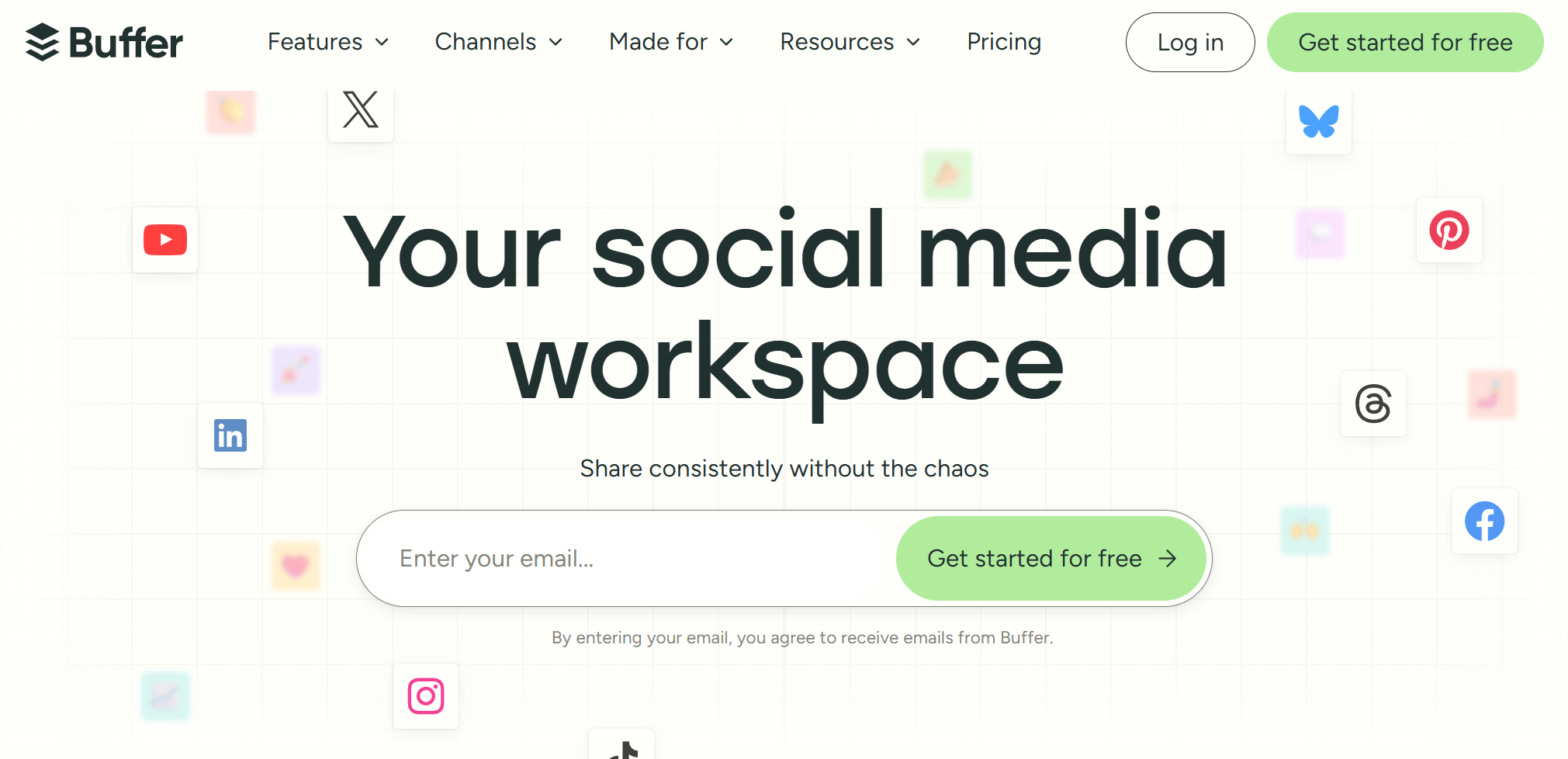
Buffer is a social media management solution designed to help teams plan, publish, and analyze content across multiple platforms from a single dashboard. It supports channels like Instagram, LinkedIn, X, Facebook, and TikTok, allowing marketers to schedule posts, collaborate with team members, and maintain a consistent publishing schedule without jumping between tools.
Beyond scheduling, Buffer provides performance analytics that highlight what content resonates with your audience. You can track engagement, identify top-performing posts, and adjust your strategy based on real data. Features like content queues, approval workflows, and AI-assisted post creation also make it easier to scale social efforts without increasing workload.
For growth marketers, Buffer plays a key role in top-of-funnel acquisition and brand visibility. It enables faster experimentation with messaging, formats, and posting times, helping teams learn what drives engagement and traffic.
14. Surfer
Pricing: paid plans start at $119/month
Why it matters: Provides a data-driven roadmap for exactly how to write and structure your content to rank
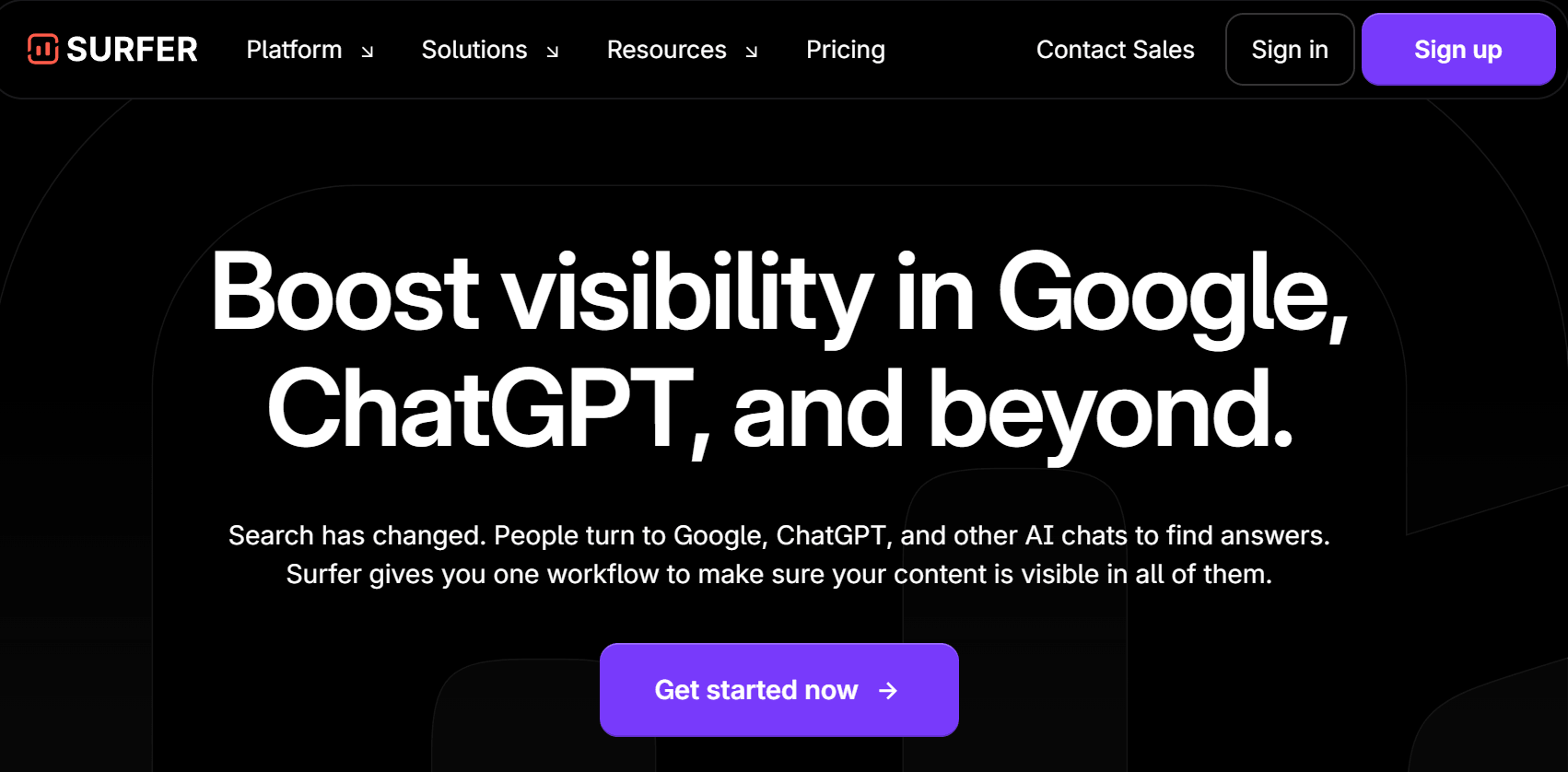
Surfer is an SEO content optimization platform that helps teams create and improve content based on real search engine results. It analyzes top-ranking pages for a keyword and provides guidelines for structure, headings, keywords, and content length. Marketers can use the content editor, audit tool, and keyword research features to align articles with what currently performs in search.
The platform also includes content scoring, Natural Language Processing (NLP) keyword suggestions, and competitor comparisons. These features help teams refine drafts, identify gaps, and improve on-page SEO. The platform integrates with Google Docs and WordPress, making it easier to optimize content during the writing process rather than after publishing. On top of that, the platform tracks AI visibility (ChatGPT, Perplexity, etc.) and even identifies keyword cannibalization issues.
Using Surfer, you can standardize briefs, optimize existing content, identify opportunities to refresh underperforming pages, increase organic traffic, and build a sustainable acquisition channel over time.
Selecting the Right Growth Marketing Tools
Growth marketing requires you to choose the tools that support your strategy and help you move faster, not use more tools.
Some teams may prioritize analytics and experimentation, while others focus on automation, lead generation, or engagement. The right mix depends on your growth stage, resources, and primary acquisition channels. What matters most is selecting tools that integrate well, reduce manual work, and give you actionable insights.
Start with your biggest growth bottleneck, then choose tools that help you test, measure, and iterate. As your strategy evolves, your stack can expand to support new channels and workflows.
FAQs
Here are some common questions about growth marketing.
1. What are growth marketing tools?
Growth marketing tools are solutions that help teams acquire, activate, and retain users using data and experimentation. They typically cover areas like analytics, email marketing, automation, lead generation, user behavior tracking, and SEO. These tools help marketers test ideas faster, understand performance, and scale what works, rather than rely on assumptions.
2. Do I need advanced tools to start my growth marketing strategy?
No, you don’t need a complex stack to begin. Many teams start with a few core tools, such as analytics, email marketing, and landing page software, and expand as their needs grow. The most important step is understanding your funnel and identifying where users drop off. From there, you can add tools that help you test improvements, automate tasks, and collect better data. Starting simple often makes it easier to focus on strategy before adding more advanced solutions.
3. How do I choose the right growth marketing tools?
Start by identifying your biggest growth challenge, such as low traffic, poor conversions, or weak retention. Then choose tools that directly address that area. Look for solutions that integrate with your existing stack, provide clear insights, and support experimentation. The best growth marketing tools reduce manual work and help you make decisions based on real performance data.
Similar Posts




Create, send and optimize your email marketing campaigns