






19 Genius Newsletter Examples For Different Industries
Published By Maria Fintanidou
January 17, 2022

17/01/22
It’s Monday afternoon, and Tuesday is the day you send your weekly newsletter. Your head is filled with ideas, but you don’t know which will work. Should you share a story or a list of fun facts? Educational or promotional?
The first step is to identify why you’re sending the email and why your audience should care. For example, if you want to announce a new product or feature, they’ll expect to learn how it benefits them.
Finding your focus point can turn into a tedious task. That’s why we’ve dug into our inboxes (and others’) to spot the most inspiring newsletter examples.
Learn how popular brands use these newsletter ideas and what makes their campaigns stand out to create your own can’t-miss newsletters.
Kiss the blank-draft frustration goodbye
Add your own spin to Moosend’s pre-built email templates in minutes.
Start for freeBest Email Newsletter Examples Per Category
Searching for a specific email newsletter example? You can start checking them out immediately by selecting the categories that interest you the most:
1. Ecommerce
2. SaaS
3. Publisher
5. Nonprofit
6. Restaurant
7. Real estate
8. Banking
9. Webinar
What Makes a Great Newsletter?
Every email component affects whether your newsletter gets read or ignored. The ones that convert tend to have a few characteristics in common.
So here’s what you need to check off your list when creating your email newsletters:
- Intriguing subject line: Clever, value-first email subject lines cut through the inbox noise and set expectations about what’s inside, prompting subscribers to open. Make sure it reveals the email purpose from the start to ensure mobile users don’t miss it.
- Meaningful preview text: This valuable piece of content complements the subject line, building on the promise made there. Here, focus on giving subscribers additional reasons to open the message rather than repeating the subject line.
- Valuable newsletter copy: Whether you share seasonal promotions or business news, your copy shouldn’t be about why this matters to your business. Instead, make it about the value recipients get from taking action.
- Engaging visuals: Used properly, relevant and high-quality visuals break up text, entertain, and convey information easily. They could also reinforce your branding, making your emails instantly recognizable.
- Scannable design: A well-structured email newsletter design helps people detect and digest key information. Keeping it clean and distraction-free also increases the chances of readers reaching the conversion point.
- Clear CTAs: Prominently placed buttons that use color contrast to stand out against the background are easier to spot. Also, you should use actionable CTA copy that lets recipients know what to expect and encourages action.
- Unsubscribe and preference center links: An unsubscribe option in every newsletter is a must-have to ensure compliance and build trust. Email preference centers give subscribers control over the content they receive, which makes it a key part of keeping your emails relevant.
Now let’s see how the following newsletter examples use these elements and get some ideas on how to build your perfect email.
1. Ecommerce Newsletter Examples
When most people think of eCommerce email marketing, promotions are usually the first thing that pops to mind. But newsletters give online stores numerous opportunities to nurture and engage subscribers with more targeted content.
In a nutshell, an eCommerce email newsletter allows you to:
- Deliver personalized recommendations based on subscriber preferences and needs.
- Share tips to educate subscribers on how to use the products and address common pain points.
- Celebrate holidays and personal milestones with seasonal guides or special offers.
- Bring disengaged customers back with back-in-stock or discount emails.
With these in mind, let’s see some eye-catching newsletters to get you inspired.
Patagonia
Patagonia uses a focused weekly, sometimes even daily, newsletter series to share news with their customers. Apart from promotions and special offers, the brand also includes customers’ adventurous stories and updates from Patagonia Action Works, like sustainability and ocean conservation initiatives.
Subject line: Meet our newest prints

Why it works:
- The subject line teases the launch of new prints with a concise message.
- They place the Kaleido pattern at the top to introduce the value proposition in an artistic, attention-grabbing way.
- It’s an excellent example of how to create a colorful, captivating design without straying from the main focus: showcasing the new product line.
- The behind-the-scenes video showing the designer during pattern creation turns the promotion into an insider experience.
Perhaps sending a daily email like Patagonia sounds overwhelming. But you can do so with an easy-to-use email marketing platform that helps you create aesthetically pleasing newsletters in a breeze, with no design skills needed.
You can sign up for a Moosend account, hop into the editor, and start crafting a message from scratch or use one of the available email newsletter templates to get started.
Sephora
Sephora nurtures its audience through email with tailored promotions, educational content, event announcements, and special discounts. Seasonal discounts, in particular, are the most popular ones, accounting for 34,68% of the total percentage.
Sephora also uses limited-time discount codes to engage loyalty program members during holidays and all year round. Just like in the Christmas newsletter example below:
Subject line: Starts today: 20% off full-size fragrances & hair & body mists 🎁

Why it works:
- The subject line provides all the necessary details, such as the starting date, the exact discount, and the products involved.
- They feature the 20% discount above the fold in a gold circle, making it impossible to miss.
- Besides displaying high-quality product images, they add the starting and discounted price, letting subscribers know what they’ll save.
- The white color in the CTA button is a great choice as it helps it stand out against the purple background.
If you have a cosmetics brand and want to leverage email marketing, make sure to check out our beauty industry email marketing guide to start building your strategy step by step.
Surreal
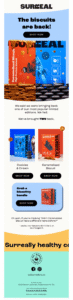
Surreal is famous for its witty approach to marketing. Its email newsletters lean into humor, bright visuals, and a “cheeky” tone that strikes a balance between fun and a bit of bite. They also mix several content types, such as product launches, exclusive deals, and back-in-stock alerts.
The email newsletter example below pulls subscribers in with the brand’s unique style: curiosity-driven but not manipulative.
Subject line: We lied to you
Why it works:
- They use a controversial subject line to make readers open the email without tricking them into it.
- The ‘lie’ hook works well because they actually overdeliver on the promise, bringing two favorite flavors back instead of one, and turning the negative expectation into a pleasant surprise.
- The “email snoozing” option in the footer offers a clever alternative to unsubscribing for people who feel overwhelmed by the frequency.
2. SaaS Email Examples
SaaS email marketing campaigns are slightly different. Here, the primary goal is to nurture new and existing customers.
For example, you can onboard new customers with how-to guides and case studies. Do you have feature updates? Your newsletter is the perfect place to show subscribers how to make the most of these tools through video demos.
Also, valuable content like reports, whitepapers, and blog content positions your business as a credible voice in your niche. This way, your audience is more likely to turn to you when they’re looking for solutions.
This doesn’t mean that SaaS emails are all work and no play. There’s always room for the occasional gamified experience, for example, a fun product challenge or an interactive poll.
Moosend
Moosend uses email newsletters to deliver company news, latest blog posts, and keep subscribers in the loop with timely industry updates. The brand focuses on helping its audience become better marketers through valuable email content.
Here, you can see an example from Moosend’s newsletter, designed to educate readers on topics like email best practices, marketing psychology principles, and AI-related challenges.
Subject line: Sell the mood, not the deal ✨
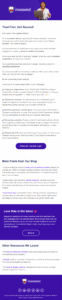
Why it works:
- They put a forward-thinking piece from their blog at the center to establish themselves as a thought leader.
- The checklist format breaks the blog content into actionable takeaways for busy readers and scrollers.
- Using unique CTA copy like Follow the “Lipstick Logic” instead of a generic “Read More” makes readers feel like they’re unfolding a narrative, not clicking on a marketing link.
- They dedicate a section to real-world insights from customer campaigns, turning them into best practices subscribers can follow.
Headspace
Headspace’s newsletter offers a wealth of information on mental well-being, promoting healthy routines and work-life balance tricks. The brand is committed to delivering expert content around common pain points, such as reducing stress or achieving better sleep.
But they also know how to go the extra mile, like in the following email example, where subscribers become participants rather than watchers.
Subject line: Help us choose the next live meditation topic
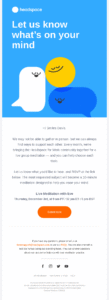
Why it works:
- Subscribers instantly understand the reason behind the email from the descriptive subject line.
- By allowing people to suggest meditation topics, the brand fosters a sense of community while gathering insights on subscriber needs.
- They use empathetic language throughout the email, positioning Headspace as a caring companion rather than another service provider.
- The uncluttered email design offers a soothing reading experience, which matches the company’s mission for seamless support.
3. Publisher Newsletter Examples
Whether you’re a publishing powerhouse or a solo creator, publishing email marketing is a go-to channel for promoting different content offerings.
For example:
- A publishing house can announce book releases.
- Bloggers may share collections of the latest or best pieces.
- Digital creators can monetize their videos, eBooks, or online courses.
For these professionals, an RSS campaign is what they need, automatically drawing a snippet of their blog content and displaying it in the newsletter. Basically, RSS feeds allow you to engage your audience with your content the moment it gets published on your website.
With platforms like Moosend, you can easily craft these emails by picking a ready-made RSS template and adjust its blocks as you please. Once set, the platform will pull in fresh blog content and deliver it to your audience through your newsletter without any manual effort on your side.
Julie Blanner
Blogger email marketing is all about distributing your amazing content to your audience. Just like Julie Blanner does by sending valuable newsletters to nurture and entertain her subscribers with delicious recipes, home design tips, and gift ideas.
Subject line: The Ultimate Guide
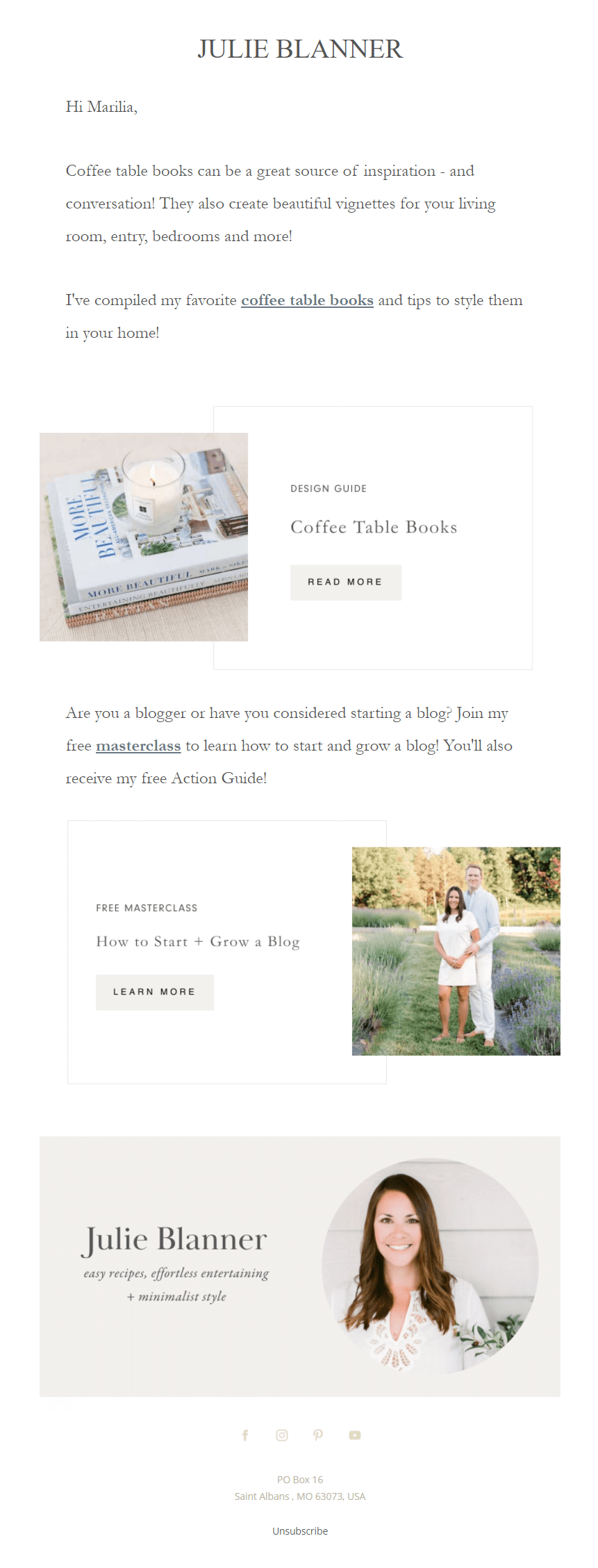
Why it works:
- She chooses a minimalistic design for a genuine, personal look and feel.
- Using white space, short paragraphs, and just a few visuals improves readability and help readers focus.
- The copy maintains a friendly tone, addressing the recipient with their first name so the newsletter looks like it was created for them.
- The blogger includes two personal images to put a face on the brand and make the content more inviting.
The Infatuation
The Infatuation uses newsletters to suggest the best spots to eat, drink, and have fun based on each recipient’s location and preferences. Here, they send an email to welcome new subscribers and inform them about what’s new.
Subject line: Welcome To The Infatuation
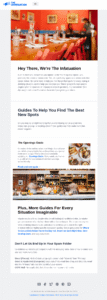
Why it works:
- The conversational tone and subtle wit make the email feel like a real-life dialogue rather than a brand message.
- While they offer niche content recommendations for diverse scenarios (for example, the best rooftop bars), they avoid overwhelming readers with too many options in a single email.
- The last section shares a mini deliverability guide to ensure the company’s emails always land in the inbox.
4. Hospitality & Travel Campaigns
A memorable experience like a stay or tour can start before the actual date with targeted travel newsletters that ignite subscribers’ wanderlust.
A low-pressure idea is to deliver informative content. For example, a travel agency can use newsletters to debunk cultural myths for popular destinations or display local favorites for travel-savvy recipients.
You can also send exclusive rewards on their birthday, inform them about loyalty program benefits, or offer tailored suggestions like destination guides based on their history.
Seasonal promotions work well, too. Occasions like holidays or summer are when your audience probably organizes a getaway, so you should tap into their desire.
St Martins Lane Hotel
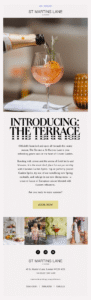
Instead of listing amenities in their newsletter, St Martins Lane Hotel, part of the Morgan Originals chain, takes a different approach. They announce the launch of a new open-air terrace to mark the start of summer.
Subject line: What Time Is It?
Why it works:
- The unexpected question in the subject line triggers curiosity, prompting subscribers to open the email.
- The lifestyle image at the top and the clean, single-column layout give the message a touch of luxury.
- By appealing to the senses (“the aroma of fresh herbs”), the copy helps customers picture what it’s like to enjoy the terrace on a summer day or night.
- The single, straightforward CTA provides an uncomplicated path to conversion.
TripAdvisor
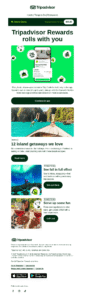
TripAdvisor needs no introductions. The company’s weekly newsletter, called TripWatch, delivers personalized travel insights, including destination and booking suggestions. They also use it to share loyalty program updates with members, as in this effective newsletter example:
Subject line: Your October member update
Why it works:
- The cash balance in the member’s wallet displayed at the top keeps them informed without distracting from the core message.
- They highlight app-only benefits through a strong headline, brief messaging, and a prominent CTA.
- The structured content blocks make it easy to navigate through different suggestions.
- The CTAs focus more on the experience (“Get out there”) and less on the direct ask, sparking the desire to travel.
5. Nonprofit Email Examples
Using email as a nonprofit serves various organizational goals, such as collecting donations, boosting long-term engagement, and raising awareness for your cause.
How does this look in practice? These are the most popular newsletters you can send as a nonprofit:
- Welcome emails that introduce your mission and share ways subscribers can get involved.
- Educational emails with stories from the communities you support or statistics that show real impact.
- Fundraising newsletters to ask for donations and explain how contributions make a difference.
- Thank-you campaigns that acknowledge donors and volunteers, making them feel valued.
WWF
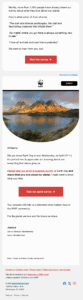
WWF’s email marketing strategy consists of a newsletter series that informs subscribers about various topics and actions. But they also excel at finding alternative ways to forge connections. One of them is sending short, environment-focused surveys to better understand their audience’s motivations.
Subject line: Time’s running out, Marilia
Why it works:
- The distraction-free design favors white space, while the text-based message adds a letter style to the email.
- Including quotes from peers who already completed the survey promotes a sense of community.
- Connecting the request to Earth Day offers an extra, timely reason for recipients to share their opinion.
- They mention it’s a “short 6-question survey” to highlight the low effort involved and reduce time-related hesitation.
Charity: water
When asking for donations, email does the heavy lifting since 33% of online donors say it’s the channel most likely to inspire them to contribute. This is why Charity: water regularly sends newsletters to raise awareness of the water crisis in several regions and encourage subscribers to contribute.
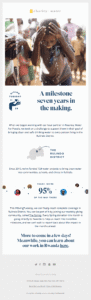
In the following email newsletter example, they invite readers to celebrate Giving Tuesday by joining their “Spring” community.
Subject line: This #GivingTuesday, make history with us!
Why it works:
- Asking subscribers to “make history” with the brand is a strong hook that moves beyond typical donation requests.
- The powerful hero image of a child enjoying fresh, clean water creates an immediate emotional response.
- They use a seven-year flashback to demonstrate the nonprofit’s long-term commitment to the goal.
- By mentioning that the project is 95% complete, they show that subscriber contribution could be the missing piece for reaching success.
If you need more inspiration and want to take some of the workload off your hands, browse these nonprofit newsletter templates and tweak them to create on-brand emails.
6. Restaurant Newsletter Examples
For restaurants, regular newsletters aren’t just about driving reservations and orders. They’re the perfect touchpoint to engage customers at different stages of their journey and turn them into loyal fans. For example, consider giving new customers discounts on the first order/visit or including menu highlights.
You can also send reminders a day before their reservation to reduce no-shows or target customers with post-visit surveys to learn what they loved and where you can do better.
Domino’s
To promote its daily or weekly deals, Domino’s crafts compelling newsletters to intrigue customers and direct them to their website to place an order. The business’s secret is that they draw inspiration from events to send campaigns that resonate, just like the following:
Subject line: 🍕🏁Do you want a Deal that will send you to pole position? See what came in Domino’s!
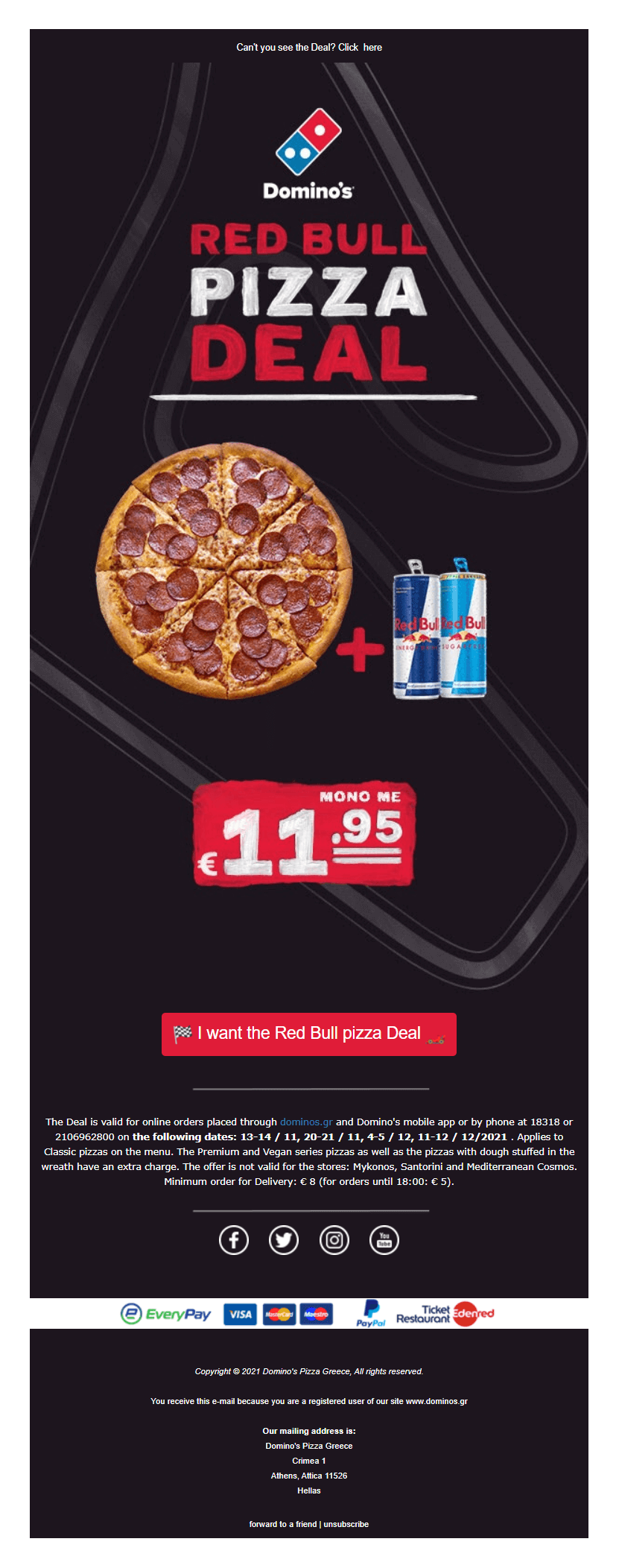
Why it works:
- They follow a visual-centric logic that places the product at the center, instantly waking up the subscriber’s appetite.
- From the subject line to the racetrack background, the campaign is full of Formula 1 references.
- They keep the email copy to a bare minimum to get customers to place an order, mostly focusing on the deal and the price.
- The red-colored CTA catches the eye and reminds readers of one of the products (Red Bull), while the first-person copy makes the action feel more personal.
Domino’s used Moosend to create this compelling newsletter. If you want to build equally beautiful campaigns, check Moosend’s built-in newsletter templates, find the one that fits your goal, and start crafting your campaign. You can register for an account or use the 30-day free trial to test the waters.
Home Chef
Throughout the year, Home Chef’s newsletter delivers menu spotlights, meal preparation hacks, and diet-specific suggestions. But in the following newsletter example, they leverage Black Friday to deliver a limited-time offer.
Here’s how:
Subject line: Don’t miss this 👀 Get 12 FREE meals delivered!
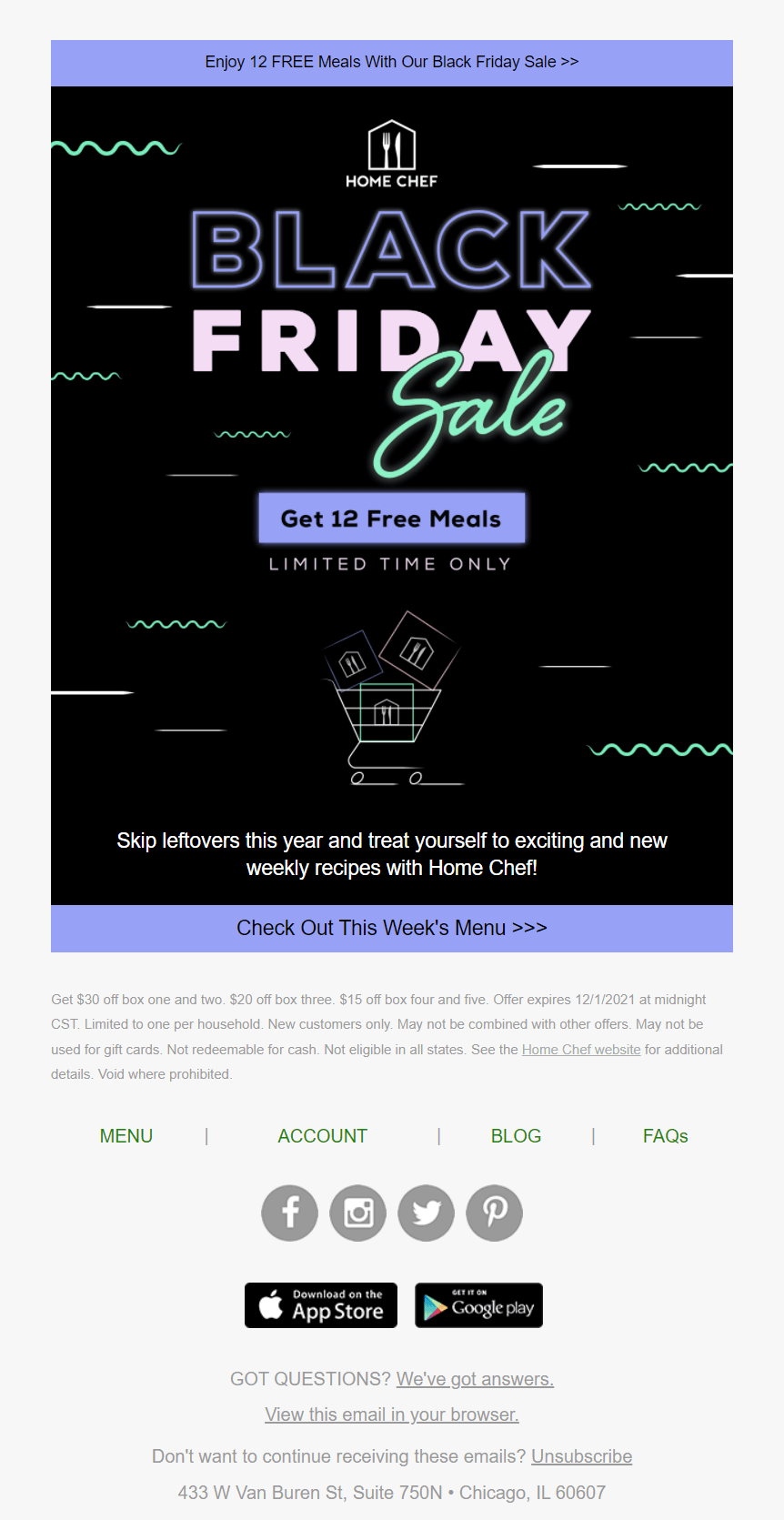
Why it works:
- The subject line gets to the point, clearly communicating the compelling offer to boost open rates.
- Design-wise, the newsletter uses black, a color linked to the holiday, and vibrant fonts to grab attention.
- The copy focuses on the benefit of the deal (“Get 12 Free Meals”) while using urgency right below the CTA to encourage conversions.
- The secondary CTA prompts subscribers to check the weekly menu without stealing the primary’s spotlight.
7. Real Estate Newsletter Examples
Real estate businesses have to deal with a significantly longer lifecycle than other industries. During the customer journey, it’s essential to nurture subscribers with valuable newsletter content.
Sure, promotions are great to bring prospects closer to a sale, but first subscribers want to know why you’re the right person to manage their property or find their dream home.
This could take the form of a quick checklist on what to focus on during open house visits or a guide explaining common mistakes to avoid while house-hunting.
The goal is to keep your brand top of mind until customers are ready to take the next step. You can also re-engage people who’ve gone quiet after the first touchpoint, for example by sending a “still looking?” follow-up email with new listings that match their past searches.
Zillow
Zillow’s email newsletters focus on promoting listings to buyers and educating homeowners about their existing or future properties. The following campaign is a great example of how real estate businesses can help their target audience solve common pain points in an unexpected way.
Subject line: Quiz: Fix it up or give it up?
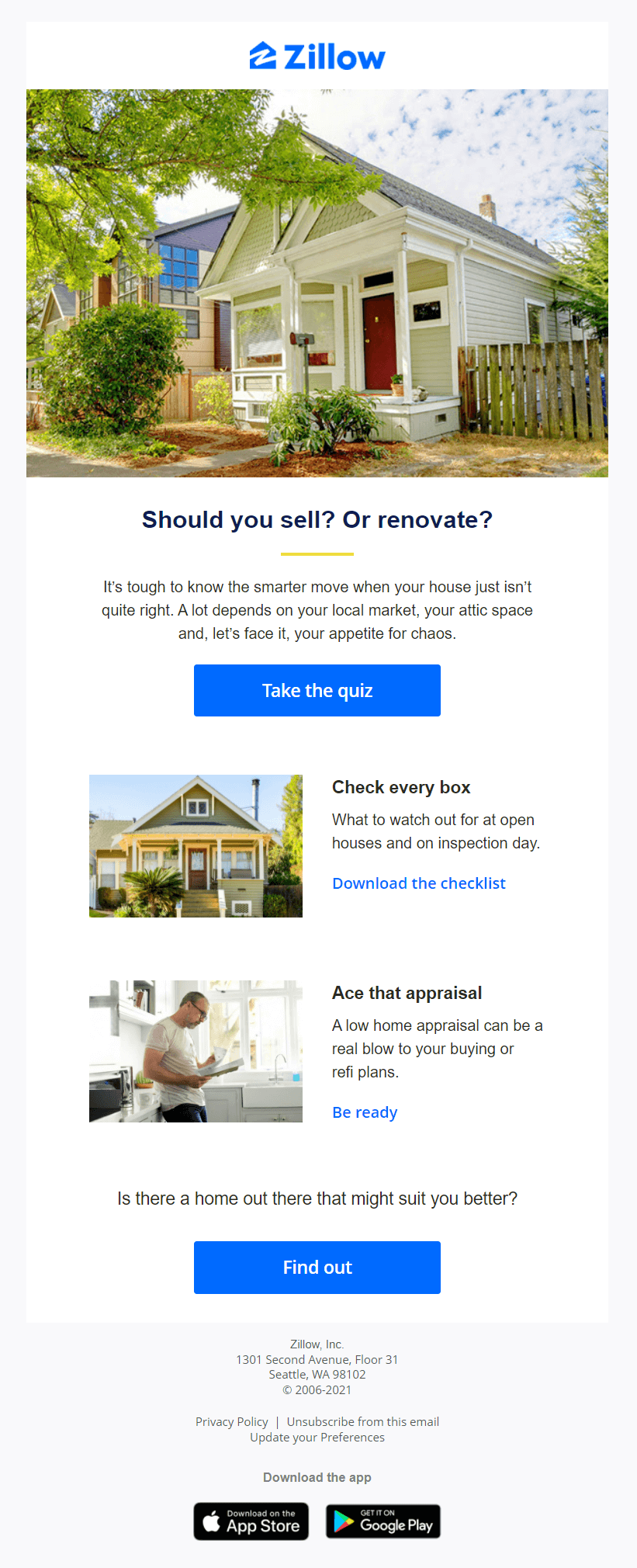
Why it works:
- The sale-or-renovation dilemma is common among homeowners, and the brand cleverly hints at a quiz inside to reveal the campaign’s value.
- They use segmented blocks to address different needs with tailored content.
- The clean design is easy on the eyes, helping subscribers spot key information and click the calls-to-action to learn more.
Homes.com
Through their newsletter, Homes.com offers regular updates on real estate news, market trends, and practical tips for buyers and sellers alike. They also send alerts and reminders on their favorite listings, as in the newsletter example below.
Subject line: Price Reduction on Your Favorite Home
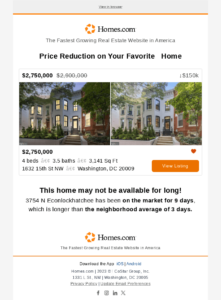
Why it works:
- Targeting the subscriber with a price reduction on a favorite home ensures the suggestion is relevant to their past behavior.
- The before-and-after pricing placed at the top provides clarity instantly.
- They use an availability timeframe, comparing the house to the neighborhood average as a hint of urgency.
To target people with the right offer at the right time, you need reliable software for real estate email marketing.
With it, you can segment subscribers by role (e.g., sellers vs. buyers) or house preferences and deliver conditional offers without crafting different email versions. Some of these platforms also come with AI writing assistants that save you time from writing and proofreading emails.
8. Banking Newsletter Examples
A weekly or monthly newsletter can be a powerful tool for building stronger customer connections in the banking sector. Specifically, you can use them to:
- Provide monthly statements and contract updates for customers.
- Let them know about new features and service offerings.
- Send onboarding resources, like checklists on how to use self-service options.
- Promote incentives for programs and card products.
- Share financial tips, such as how to budget during economic uncertainty.
- Warn customers about potential phishing attempts or phone fraud.
Revolut
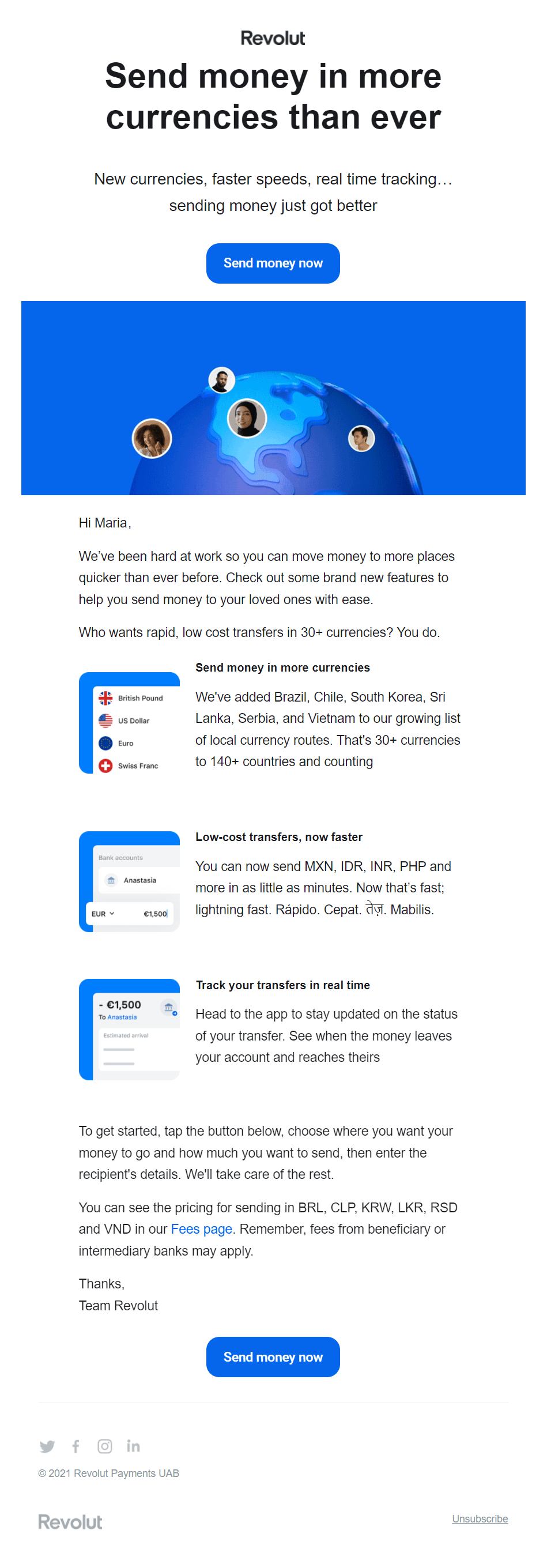
Creating easy-to-navigate designs plays a vital role in improving engagement and conversions. To achieve this, Revolut adopts clean and focused layouts that rely on white space, minimal visuals, and concise copy.
Just like here:
Subject line: More currencies, and make it speedy 🌎
Why it works:
- The white space offers breathing room between sections so readers don’t get overwhelmed.
- They center the campaign around the benefit, highlighting it in both the subject line and the header section.
- The bank uses simple, actionable language to inform customers about the new transfer options.
- The CTA is placed above the fold, with a duplicate button at the bottom of the email to increase conversions.
Piraeus
Piraeus uses emails to keep customers up to date with new features, social responsibility initiatives, and future collaborations. Subscribers can also claim exclusive benefits like tickets to upcoming events directly through the bank’s newsletters.
However, this email example focuses on alerting the recipient about potential fraud attacks.
Subject line: It is important to know how to protect your account. Learn about the security of your electronic transactions.

Why it works:
- The thoughtful subject line instantly communicates the email’s protective purpose.
- The organized layout makes it easy to move from one section to the next, while the use of bold text helps detect the most crucial information.
- They share educational resources on different fraud scenarios to help ensure security at every touchpoint.
9. Webinar Email Examples
Webinar email marketing lets you nurture your audience, connect on a deeper level, and offer easy-to-grasp solutions.
Whether you’re planning monthly webinars or using them on key holidays for your industry, you can drive more registrations effortlessly using email.
Make sure to add a summary of your event with all the details and a clear CTA button or link to your webinar landing page. To boost credibility, include speaker credentials, takeaways, and social proof elements like attendee numbers or testimonials from past events.
You can also use your newsletter to follow up once the event is over, sharing a roundup of key points, extra resources, and a clear next step, such as creating an account or booking a call.
Zapier
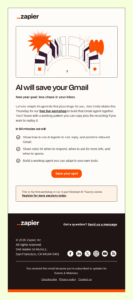
Zapier’s subscribers receive updates one to three times a week, depending on their preferences. In terms of content, they get productivity tips, automation how-to guides, and app recommendations. The company is also a pioneer in AI research, as the following webinar newsletter example proves.
Subject line: ☝️get AI to handle these👇
Why it works:
- The benefit-driven subject line addresses a common marketer pain point, promising a solution to hook readers.
- The short checklist displays the specific, actionable outcomes subscribers should expect after attending.
- Although the email focuses on the upcoming webinar, the brand includes a link to encourage registrations for other workshops in the Kickstart AI Fluency Series, showcasing their in-depth expertise.
Customer.io
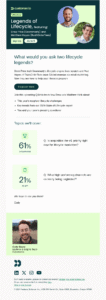
Customer.io uses a mix of online and offline events to connect with their audience. To engage prospective attendees, they send targeted emails including event information, speakers’ bios, and key takeaways.
Subject line: Join our live Q&A with marketing legends
Why it works:
- By mentioning they’ll feature “marketing legends” in the subject line, they add credibility while sparking the subscriber’s curiosity.
- They introduce the topic with the speakers’ credentials and an intriguing question to highlight the interactive nature of the webinar.
- Using specific stats adds value to the takeaways, making subscribers want to learn how the brand reached these conclusions.
Best Practices for High-Performing Newsletters
After looking at how different brands use their newsletters, some patterns seem to stand out. Here’s what you need to keep in mind to ensure optimal performance:
Prioritize value
Every successful newsletter starts with a clear purpose, whether it’s customer onboarding or community building. Regardless of the goal, your updates and news should interest recipients and offer tangible value.
This can take several formats, such as:
- Insider news on industry-related topics
- Fun content like product-focused quizzes
- Sneak previews of new features/products
- Customer testimonials and success stories
- Helpful tools, such as templates or eBooks
- Subscriber-only discounts or other perks
Whatever you choose, it shouldn’t be limited to advertising your products or services or pushing a sale.
Create a visually appealing, clean layout
How your email looks often decides whether subscribers will notice and click through. A properly structured newsletter with visual hierarchy helps readers navigate content easily and find what matters most.
For a scannable email design, use white space and distinct content blocks. This separates sections and allows your audience to focus. Keeping paragraphs and sentences short further enhances readability.
High-quality graphic elements can support your message and make content easier to digest. But excessive visuals may do the opposite and end up distracting subscribers instead of helping them.
Stick to an email sending cadence
Consumers respond well to consistency. So, sending a newsletter once in a blue moon won’t help recipients build a habit of reading your news. Your work starts with email signup.
You can specify how often you’ll be emailing subscribers on your signup form or page, just like Zapier does:
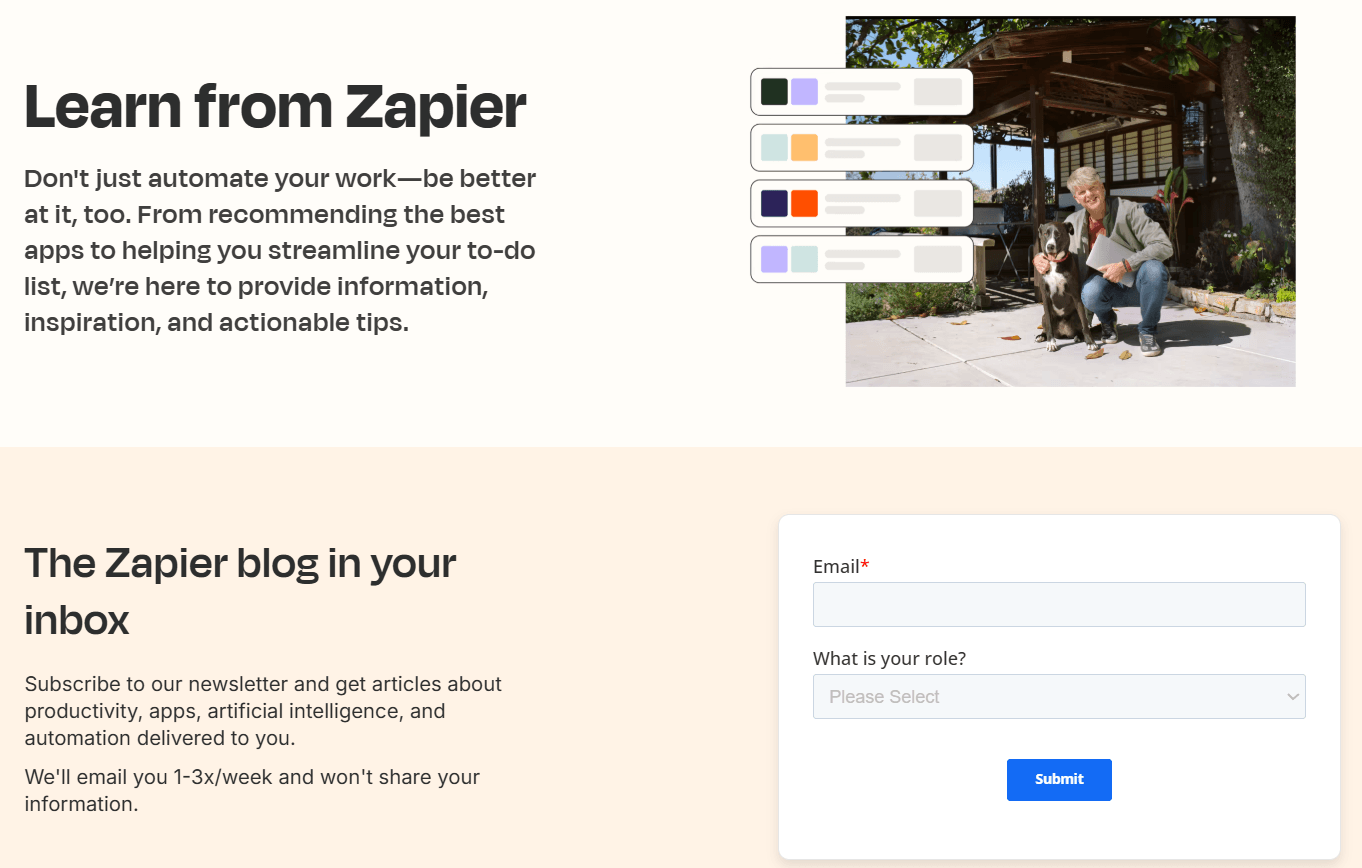
While there are industry benchmarks on the best sending frequency, nothing is set in stone. Testing different cadences is often the best way to see what works best. You can also ask subscribers directly through surveys or a preference center.
The key is to stick to a schedule. Imagine the frustration when recipients expect your newsletter on Wednesday morning, and it shows up on Friday evening. This mismatch could easily backfire on the relationship.
Add touches of personalization
Sometimes you’ll send the same newsletter to your entire email list. Even then, it shouldn’t feel generic. Start simple by addressing your recipient by name.
But to make your message really unique, tailor content based on demographics, interests, and needs. This is where segmentation becomes essential, helping you divide your list into targeted groups with similar characteristics.
Then you can use conditional logic to create newsletter content that changes to match the recipient’s behavior and preferences. For example, a bank might send insurance guidance to working professionals and retirement planning tips to retirees.
Include clear CTAs
Think of your email CTA as a street sign. Without it, people may know where they are, but not where to go next.
For CTAs to work, the copy should be straightforward, reflecting the action you want subscribers to take.
While you shouldn’t use the same copy as the next business (e.g., “Buy Now”), avoid going overboard with creativity. Just because you liked the idea of using a reference from your favorite movie, it doesn’t mean all readers will take the hint. And if they don’t get it, they won’t click.
Another thing that may affect conversions is adding too many competing CTAs. Stick to one primary action per email and ensure secondary CTAs don’t overshadow it.
Track performance and adapt
Better performance comes over time and proper monitoring. Once you send your campaigns, most email marketing platforms let you access analytics like opens, clicks, conversions, unsubscribes, and more.
These metrics will help you identify potential bottlenecks. For example, low open rates point to ineffective subject lines or suspicious-looking sender names.
Constantly monitoring results allows you to see what you need to fix and adjust accordingly. During this process, stay up to date with shifting marketing trends and experiment with new tactics. Also, invest in audience feedback to understand what resonates and create more relevant emails.
Get Your Email Newsletter Strategy into Motion
Creating a high-performing newsletter might feel complex at first.
But the truth is, most brands don’t rely on big teams to do it. Their main weapon is creativity and a bit of inspiration.
Hopefully, we’ve covered inspiration. The next step is to use a user-friendly email platform for building stunning emails without learning how to code.
By signing up for a Moosend account, you can access an intuitive email builder, premade newsletter templates, segmentation and personalization tools, and easy-to-grasp automation.
Start with your goals, listen to your audience, and adapt as you go to create a winning newsletter strategy that lasts.
FAQs
Here you’ll find answers to common questions on newsletter examples.
1. Why do you need to send email newsletters?
Newsletters allow you to directly connect with your audience though helpful content that educates, intrigues, and solves problems. With the right email platform, newsletter marketing can also be cost-effective and easy to set up. Since email is a channel you own, success doesn’t depend on algorithm changes that may limit your reach. Plus, subscribers opt in, which increases engagement potential.
2. Are newsletters promotional?
Not necessarily. Email newsletters serve multiple purposes, such as onboarding new customers or gathering feedback. This doesn’t mean you shouldn’t use your newsletters for promotions. To turn this into a win-win situation, the key is to find the perfect mix of offers and helpful content and make tweaks based on subscriber engagement.
3. Is creating and sending newsletters expensive?
There’s a plethora of email marketing platforms available at different price points. Some of them, such as Moosend, Constant Contact, and Brevo, offer affordable entry plans without sacrificing functionality. Some also have free versions, though these often come with limitations on sending volume, subscriber count, or advanced features.
Similar Posts

 Published by

 Published by
Create, send and optimize your email marketing campaigns