












What Is a Marketing Automation Customer Journey? [2026]
Published By Rebecca Barnatt-Smith
October 13, 2026

13/10/26
Not all customers need the same message at the same time. Someone discovering your brand for the first time will behave very differently from someone comparing products or getting ready to buy.
For eCommerce brands managing multiple channels, changing customer expectations, and growing demand, knowing when and how to reach each person can get complicated fast.
Marketing automation helps make that process easier. It allows you to respond to customer behavior, personalize communication, and guide people through the journey without handling every interaction manually.
From first contact to post-purchase follow-ups, the right automations can help you stay relevant at every stage. So, let’s look at how the marketing automation customer journey works and where automation can make the biggest difference.
Why the Customer Journey Matters in Marketing Automation
Every interaction a person has with a business is part of their customer journey.
Whether it is an action as small as clicking a button in an email they’ve opened or visiting a website page that compares product options, every step shapes their experience.
A strong understanding of customer journeys gives businesses key insights into what’s going through the user’s mind. If many people drop off at a certain point, that usually indicates you need to change the flow to guide them in a different direction.
This is where marketing automation comes in. By fine-tuning marketing material to the customer’s exact needs, you increase the likelihood of keeping them engaged.
Rather than using generic marketing content for everyone, set up automations that trigger only when a user takes a specific action, so people receive a more tailored experience that is more likely to hold their attention.
For example, consider a shopper who previously ordered skincare products. Instead of using their data to send generic marketing campaigns with an array of products, an automation could send a skincare-specific email around the time their previous product is likely to run low.
The Key Stages of a Marketing Automation Customer Journey
The marketing automation customer journey will look different from business to business. Because it’s all about adding a personal touch to the user experience and tapping into individual buying behaviors, businesses need a thorough understanding of their audiences.
An easy way to build automation strategies is to break the process into three chunks: pre-sale, sale, and post-sale. This lets marketers guide users where they want them and deliver valuable personalization.
Stage 1: Pre-sale
The pre-sale stage is arguably the most important because the shopper hasn’t made a purchase yet. The aim at this stage is to make their browsing experience as efficient as possible, guiding them through the customer journey toward conversion.
This stage also helps you better understand what the user is interested in, whether through what is in their basket or which products they’ve viewed. From here, it is easier to set up targeted messaging for marketing automations.
The example below is an email FreePrints sent after items were added to the cart but never purchased. They opted for a handwritten email style rather than a templated design, making it feel more personal and encouraging the reader to return and finish the order they started.

Stage 2: Sale
Once a customer has made a purchase, it may feel like the job is done, but there is still an opportunity for further engagement.
A common option in the marketing automation customer journey is to make the most of order confirmation emails. Because the user is highly engaged with the brand at this moment and likely to open the email right away, it offers an opportunity to upsell while they are in a buying mindset.
Take the email below from Moonpig as an example. Although most of the email body focuses on the order that has been placed, the header prompts the user to think about upcoming occasions and even offers an extra 20% off if they want to make another purchase.

Stage 3: Post-sale
Once a customer has placed an order, the business has access to the most valuable data. Understanding their browsing habits, purchase history, and contact details means you can set up a highly targeted marketing automation customer journey.
From there, you can easily suggest products the user may be interested in, whether that’s the latest release in a product range they’ve previously purchased or a replenishment reminder.
Spotify has used this opportunity to advertise upcoming events based on users’ music preferences. As shown in the example below, their marketing automation compiles relevant events that align with recipients’ interests and location.

How Marketing Automation Can Create a Personalized Journey
Using existing customer data to inform marketing decisions can transform engagement.
Since there’s no one-size-fits-all approach to customer preferences, understanding different buyers’ preferences makes it possible to create more targeted marketing automations.
Connect CRM data with marketing automation
A customer relationship management (CRM) system stores the information a business has about its customers. This can include contact details, communication preferences, order history, and even browsing activity.
This data plays an important role in the marketing automation customer journey because it helps businesses understand customer behavior and create more relevant workflows.
If your current CRM doesn’t collect the data you need for effective automation, it may be worth reviewing whether it still fits your processes and goals.
For businesses with more specific requirements, a custom CRM builder can offer more flexibility. Instead of adapting your processes to a standard CRM, you can build a system around the data, workflows, and customer interactions that matter most to your business.
Use customer preferences to define actions
Marketing automation works best when it responds to clear customer signals. These can include joining your email list, viewing the same product several times, abandoning a cart, making a purchase, or clicking on a specific type of content.
Each action can trigger a different workflow. For example, someone who abandons their cart could receive a reminder email, while a customer who buys running shoes could later get recommendations for socks or other related products.
You can also add more workflows as you learn more about what your audience responds to. If a subscriber regularly ignores emails about one product category but clicks on another, you can adjust future messages around those interests.
The goal is to use customer behavior to decide what happens next. Instead of sending everyone the same campaign, build automations around the actions that show interest, hesitation, or purchase intent.
Optimize the customer journey
Creating a marketing automation customer journey isn’t a one-time project. It needs regular review to keep performing well.
Buyer behavior changes over time, so check CRM data regularly for new patterns and trends. If your automations no longer reflect how customers behave, they may become less effective.
Metrics like click-through rates and conversions can show whether an automation is working as intended. If engagement drops, review the message, timing, or next step to see what may be causing friction.
Building a Winning Customer Journey
A strong marketing automation customer journey starts with understanding what your customers do and using those actions to decide what happens next.
Start simple. Pick one high-value journey, such as welcoming new subscribers, recovering abandoned carts, or following up after a purchase. Then define the trigger, the message, and the action you want the customer to take. Once the workflow is live, track engagement and conversions to see where you can improve it.
As you collect more data, you can add new branches, refine your timing, and create more personalized paths based on customer behavior.
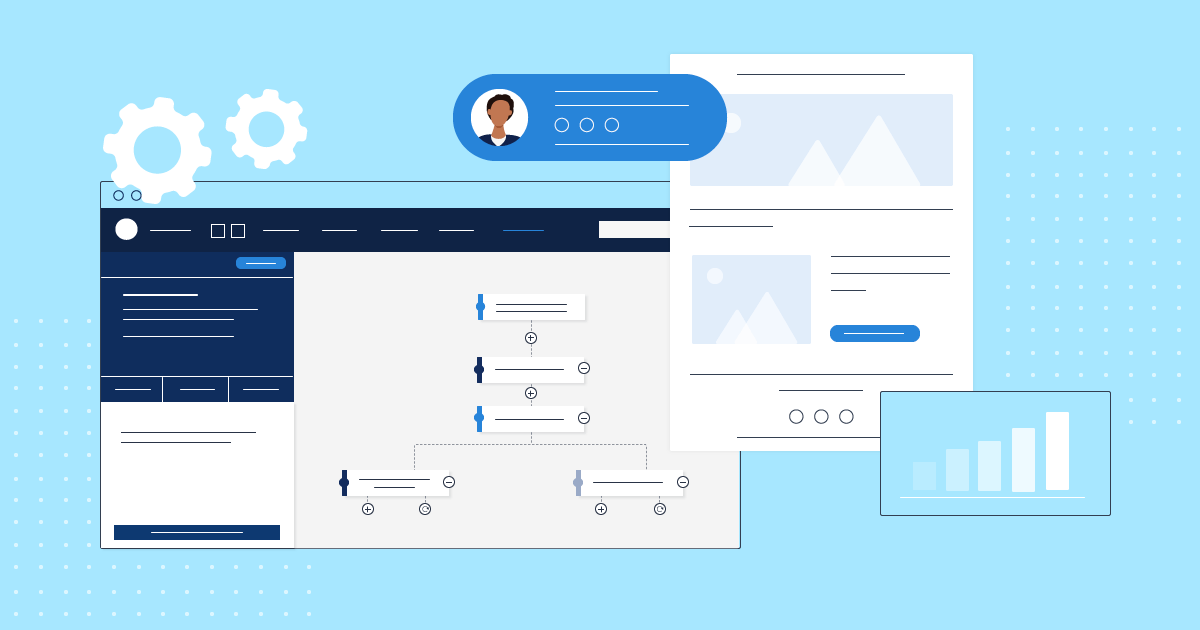
To put these ideas into practice, Moosend’s marketing automation lets you build automated workflows based on subscriber actions, preferences, and engagement, so you can create more relevant journeys without managing every step manually.
FAQs
Here are some common questions about the marketing automation customer journey.
1. What is a marketing automation customer journey?
A marketing automation customer journey is the series of automated interactions a customer receives based on their behavior, preferences, and stage in the buying process.
2. What is the difference between a customer journey map and a marketing automation workflow?
A customer journey map shows the steps a customer may take when interacting with a business. A marketing automation workflow turns some of those steps into automated actions, such as sending an email after a signup, purchase, or abandoned cart.
3. What are common marketing automation mistakes to avoid?
Common mistakes include creating too many workflows at once, using outdated customer data, sending too many messages, and failing to review performance. Start with a few important journeys and improve them based on real customer behavior.
Similar Posts

 Published by

 Published by
 Published by
Create, send and optimize your email marketing campaigns