













9 Real-Time Marketing Examples to Inspire You in 2026
Published By Alexandra Marinaki
February 25, 2026

25/02/26
Have you ever tried to narrate a funny experience but failed to recreate the atmosphere for your listeners? It’s hard to script a “had to be there” moment.
That’s exactly what real-time marketing capitalizes on: nurturing the raw energy of a live event or viral trend before the spark fades. By stepping into these shared experiences alongside your customers, you can boost brand awareness and strengthen your community.
If you’re ready to get in the game, check out these popular real-time marketing examples. Plus, learn best practices that’ll help you capitalize on the moments that can unite you with your audience on a deeper level.
Ride the wave with timely emails
Use Moosend’s pre-made templates and real-time data to seize the moment.
Start freeWhat Is Real-Time Marketing?
Real-time marketing (RTM) is the strategy of responding to live events, pop culture moments, viral trends, or customer feedback as they occur. Unlike traditional marketing tactics that require months of advance planning, real-time marketing happens almost instantly.
However, real-time marketing isn’t impulsive by nature. To succeed, you must know your target audience inside and out. This allows you to spot the specific triggers and messaging that will resonate with them while staying true to your brand’s identity.
Furthermore, a potent social media presence and a powerful content marketing strategy are prerequisites. Agility and connection help your brand stay relevant, from social listening and content creation to active community engagement.
Why Is Real-Time Marketing a Big Thing?
Why do SaaS and eCommerce businesses increasingly add a real-time marketing strategy to their playbooks? Given that customer attention is a brand’s biggest asset, the benefits go far beyond “just likes.”
- Increases engagement rates: Posting about something everyone is talking about means that you’re tied to the present moment and “in the flow.” This usually translates into more likes, shares, and comments than evergreen content.
- Humanizes your brand: When joining those conversations, businesses no longer appear faceless. They come across as friendly and human, actively participating in the community.
- Saves your budget: A well-timed, witty response to a trend can make your brand go viral without a large budget. Gaining organic momentum can also increase your ROI even with zero dollars.
- Boosts brand awareness and loyalty: Real-time marketing guarantees that those who already like you will adore you, and those who don’t know your brand will remember you.
- Outshines the competition: The faster you react, the more buzz you can generate around your brand, especially on social media. This can distinguish you from slower-moving competitors and help you stand out.
Marketing teams find it hard to resist those profound advantages. But knowing which real-time triggers and responses actually work requires a strong foundation.
Real-Time Marketing Campaign Examples That Stand Out
You can’t move the virality needle without any inspiration. Here’s how notable brands responded to trending moments with creativity and innovation:
1. Oreo
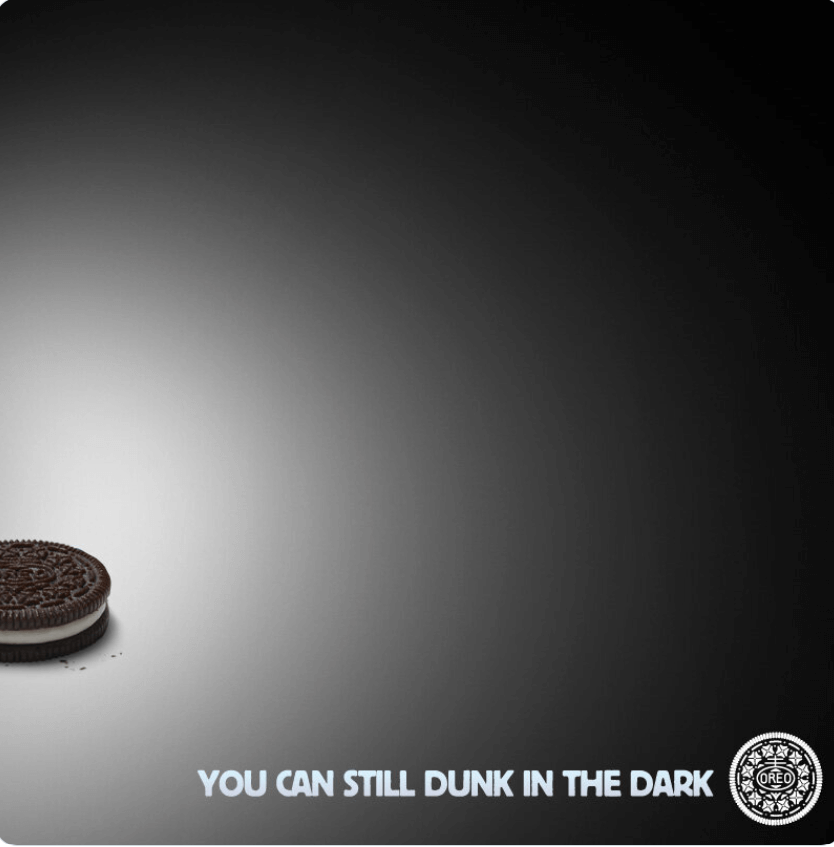
The blackout lasted for 34 minutes, leaving the stadium in the dark. Within 10 minutes, Oreo tweeted a simple graphic with a cookie in the shadow, with the text: “Power out? No problem. You can still dunk in the dark.”
Why it worked: Imagine how many people were scrolling through X (formerly Twitter) during this moment, waiting for the game to restart in anticipation. This tweet had everything needed to grab their attention organically: timing, a fast-selling social media team, and a creative mindset. They even used the game-related word “dunk” to make it as relevant as possible to the sporting event.
2. Burger King
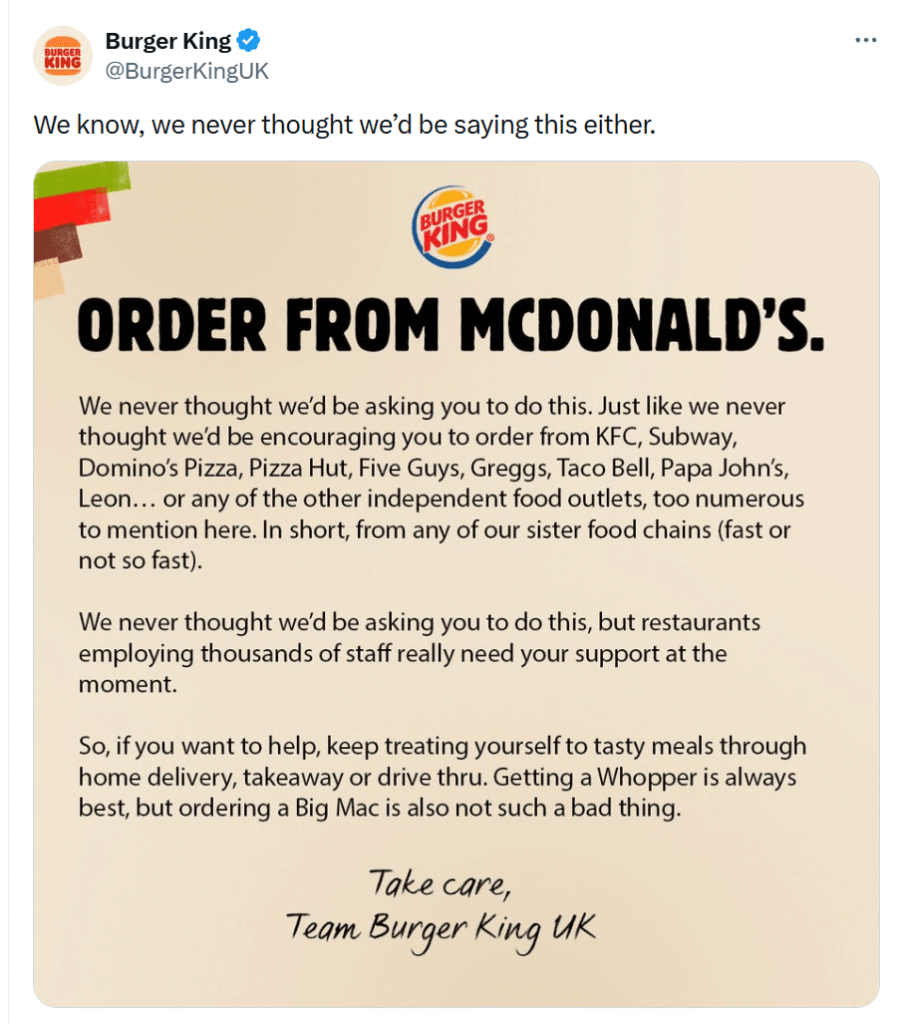
While Burger King usually has an aggressive marketing style and often trolls its biggest competitors, during the COVID-19 pandemic, it pivoted their approach for a great cause.
In an unexpected campaign titled “Order from McDonald’s,” they encouraged fans to support competitive fast-food chains, such as McDonald’s, Subway, and KFC, to keep the industry alive. This initiative received high engagement and reposts, spreading quickly across social media.
Why it worked: This classy and empathetic move softened their sharp persona while still maintaining their witty storytelling. Given how hard the pandemic was for everyone, it showed the importance of standing together in times of crisis. This move not only boosted customer engagement and awareness, but also did genuine good for the industry.
3. Calm
During the latest US Elections, the “Key Race Alerts” were hectic to watch. Breaking news sounds, flashing images, and high-stakes data put everyone on edge. As an official sponsor, the mindfulness app Calm found a clever real-time marketing idea to ease those nerves.
After frantic updates, they aired 30-second silent ads. These featured a minimal animation of a rain cloud or a breathing exercise with the text: “We bought this ad space to give you 30 seconds of silence.” It was a positive version of the silent treatment.
Why it worked: This ad was a breath of fresh air, considering how other brands tried to grab attention with loud, flashing content during the airing. They provided viewers with what they needed the most: a moment of relief and a neutral space to just breathe.
4. Visit Oslo
With social media flooded with “expectation vs. reality” posts of travel destinations and tourists on a constant hunt for their next “cool-cation,” Visit Oslo decided to respond to this trend with the hilarious campaign “Is it even a city?”
They featured Halfdan, a 31-year-old local who was unimpressed and walked around the city, complaining about how “terrible” it was. However, the footage shown was more than inviting.
Why it worked: They used reverse psychology and irony, and, based on the comments, they clearly appealed to their target audience. They “criticized” the city for being walkable, atmospheric, quiet, and authentic, delivering the opposite of the intended complaints and making viewers want to add it to their travel lists immediately.
5. Barbie
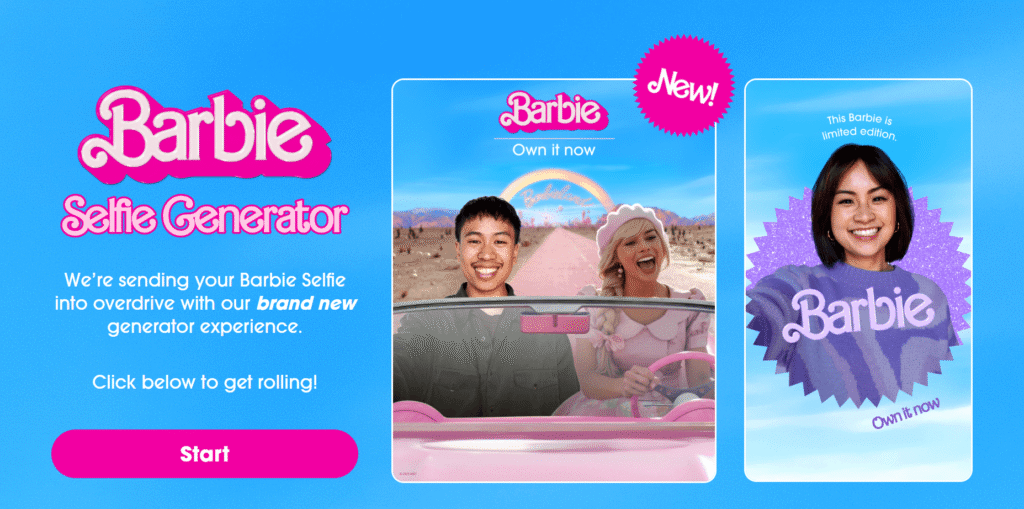
When the first trailers of the Barbie movie launched, fans began obsessing over the “This Barbie is…” theme, taking their own selfies. It was as if everyone wanted to be a part of Barbieland.
The Barbie marketing team quickly capitalized on this trend by creating an AI Selfie Generator. Users could easily upload a photo, remove the background, and place themselves in the iconic Barbie movie poster frame by crafting their own tag. It was user-generated content at its best.
Why it worked: Not only did it result in great, sometimes hilarious Barbie-related content that conquered the Internet, but it also turned fans into brand ambassadors through social proof. Instead of a single massive ad, they created thousands of mini, personalized commercials directly by users.
6. IKEA
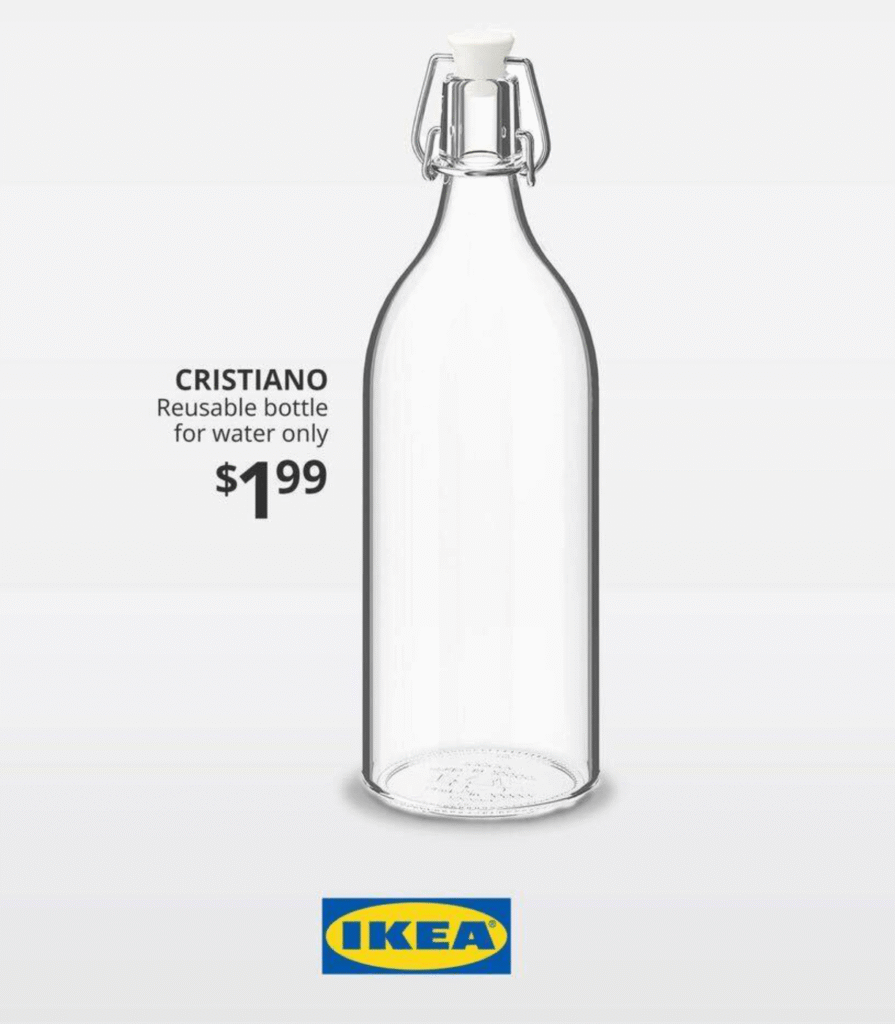
During the 2020 Euro Press Conference, the superstar athlete Cristiano Ronaldo appeared annoyed when he saw two bottles of Coca-Cola and quickly moved them out of the frame. He lifted a bottle of water and shouted “Agua,” which is the Portuguese word for water.
IKEA Canada didn’t let this moment go to waste. Within a day, they renamed their KORKEN water bottle “CRISTIANO” and posted on social media with the caption “Reusable bottle for water only.”
Why it worked: The response was incredibly fast, and the “solution” aligned perfectly with the brand’s identity and dedication to simple, functional products. By taking part in this global meme, they became both relatable and relevant.
7. Duolingo
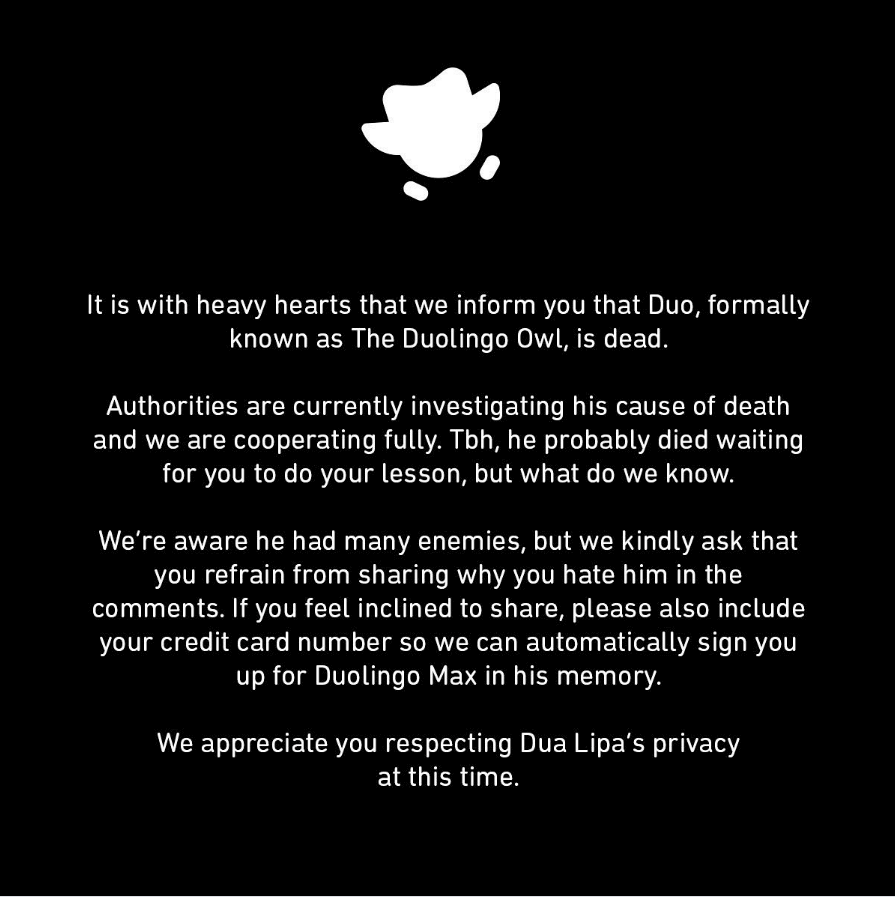
Duolingo is considered a leader in “unhinged” real-time marketing. It’s hard to forget what happened with their “Duo Is Dead” campaign in 2025. They shared a post across all social channels featuring their mascot, Duo, who appeared to have passed away.
What happened next? Conspiracy theories started to spread across the Internet, and this “tragedy” sparked massive interaction. The brand then announced that users could bring Duo to life by collectively earning 50 billion experience points on the platform. When the goal was met, they announced his return from the dead, with the caption “Legends never die.”
Why it worked: The brand became the “talk of the town” and delivered a masterclass in interactive storytelling. They even engaged big names like Doritos, FedEx, and of course, Dua Lipa, Duo’s famous obsession, in the comments. In total, they reached 1.7 billion impressions, and daily users increased massively as fans rushed to “save” their feathered friend.
8. KFC
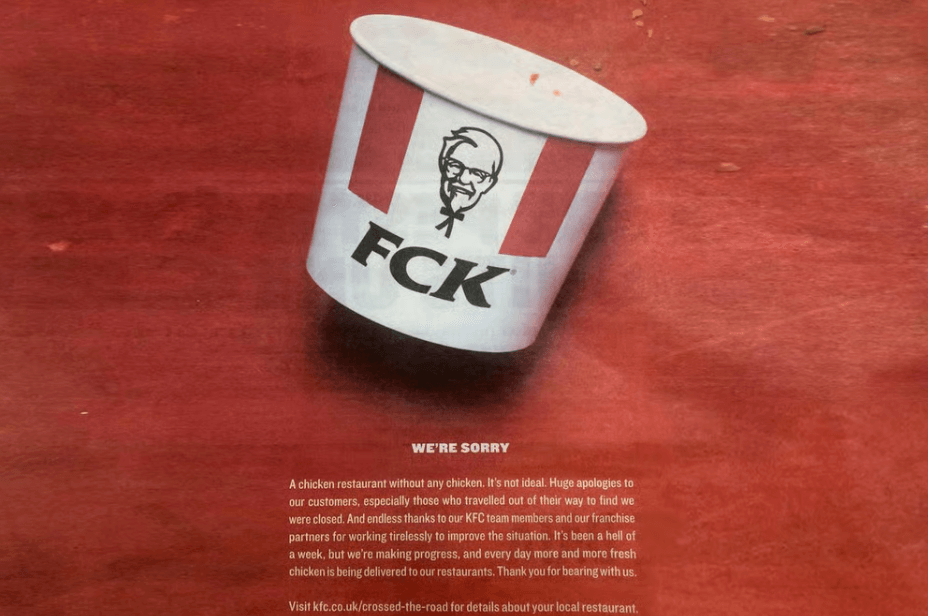
In 2018, KFC turned a disappointing moment for customers into a viral campaign. Due to a logistics problem, KFC restaurants in the UK were forced to close. This was terrible news for customers who arrived at the outlets only to leave empty-handed.
In response, the brand shared a newspaper ad featuring an empty bucket, with the letters rearranged to read “FCK,” a bold, cheeky apology for the inconvenience.
Why it worked: It was a humble, humorous response to a supply chain failure that had severely impacted the customer experience. The ad was incredibly well-received because it felt authentic. By owning the mistake, they turned widespread disappointment into brand loyalty in a simple yet engaging way.
9. MeUndies
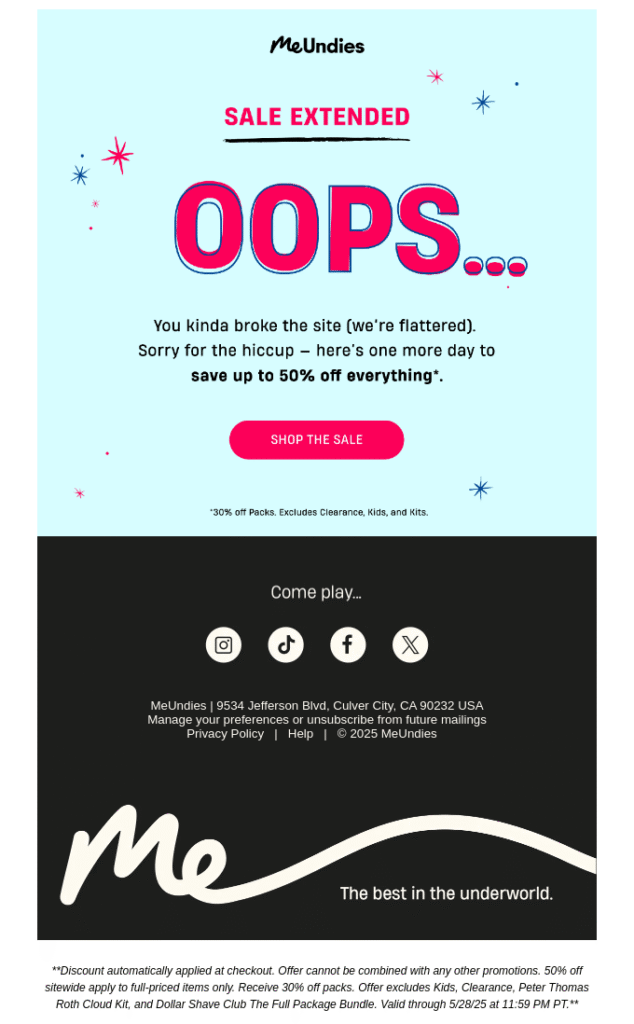
Now, let’s look at an email campaign from MeUndies. During a big sale, the site went down, leaving many customers empty-handed. They quickly pivoted by sharing an email with the subject line “Oops… You Broke the Site 😅.”
To restore customer trust, they extended the sale by an extra day so everyone could get what they wanted.
Why it worked: The response was fast and written in a lighthearted, apologetic tone. Sending this email was essential to regain trust and ease any potential frustration. It transformed a technical failure into a moment of brand personality.
Real-Time Marketing Best Practices
It’s hard to ignore the benefits of successful real-time marketing. Not to mention how creative and innovative it can be. But to get it right, you need a dedicated strategy.
Know your target audience in-depth
To thrive in real-time marketing, don’t just stick to demographics. Instead, master your audience’s psychographics. To capture their sentiment, you should know their values, fears, interests, and, very importantly, their sense of humor.
Buyer personas are necessary, as is sharing them with the creative team responsible for these initiatives. For example, if you’re targeting Gen Z, research the slang they’re using, but only use it if you’re sure it won’t sound “cringe.”
Also, always keep the audience preferences for each channel in mind. For example, a LinkedIn professional won’t necessarily resonate with the same story presented on TikTok. Adjust your messaging based on the platform.
Keep in mind that to be resonant, you must be useful. Knowing your audience’s needs and pain points will help you shape the right message for them. Don’t launch a real-time campaign just for the sake of the trend. Tie the campaign to a marketing goal that counts for both you and your audience.
Build an instant approval workflow
Acting fast doesn’t mean being unprepared. It’s important to build a quick approval system, free from typical bureaucratic hiccups, so you can act as quickly as possible. Anything that could slow down content production should be addressed in advance.
The key members who need to be on standby during live events typically include a creative lead, a brand manager, and a legal advisor. Together, they can generate the best ideas while preventing potential PR disasters.
Moreover, you should craft and share clear policies and guidelines to establish “safe zones” for humor and tone of voice, allowing team members to move decisively without waiting for constant approval.
Most importantly, remember that real-time marketing content doesn’t always have to be polished. Don’t waste time trying to create something stellar. In most cases, the more raw and authentic it looks, the better. You can also build a shared library of premade assets, such as on-brand templates or visual graphics, that are easy to adapt at a moment’s notice to save time. To move even faster, an AI video generator can instantly turn ideas into ready-to-publish clips, helping your team produce timely content without starting from scratch.
Use Google Trends and social listening tools
Tools like Google Trends can help you identify spikes in interest so you can catch momentum early. “Top queries” are usually not enough. It’s best to filter by “Rising” and “Breakout” terms to stay ahead of the curve.
For seasonal trends, such as the Super Bowl, launch your real-time campaign before the event peaks. Otherwise, you risk getting lost in the noise created by other brands.
Once you spot a trend or live event that is worth your attention, cross-check it across platforms. Explore YouTube Search or TikTok to see what’s already being discussed and determine what unique value you can add to the conversation.
You can also use social listening tools like Sprout Social or Brand24 to dive deeper into conversations about current events, trends, and, of course, what’s being said about your product. For example, if a situation similar to the KFC or MeUndies mishaps happens to your brand, it’s vital to address it before the chaos takes over.
Send personalized messages with real-time data
To increase the impact of your real-time marketing, sync it with real-time data. Given that acting fast to gain early traction is already challenging, adding complex targeting to the mix can feel like a nightmare.
Beyond sophisticated tactics, such as updating your content dynamically during an event or adjusting your pricing based on demand, most modern CRM, email marketing, and social media tools already offer built-in features to help you stay top-of-mind.
Email marketing is great for quick personalization. Here are some ideas to explore:
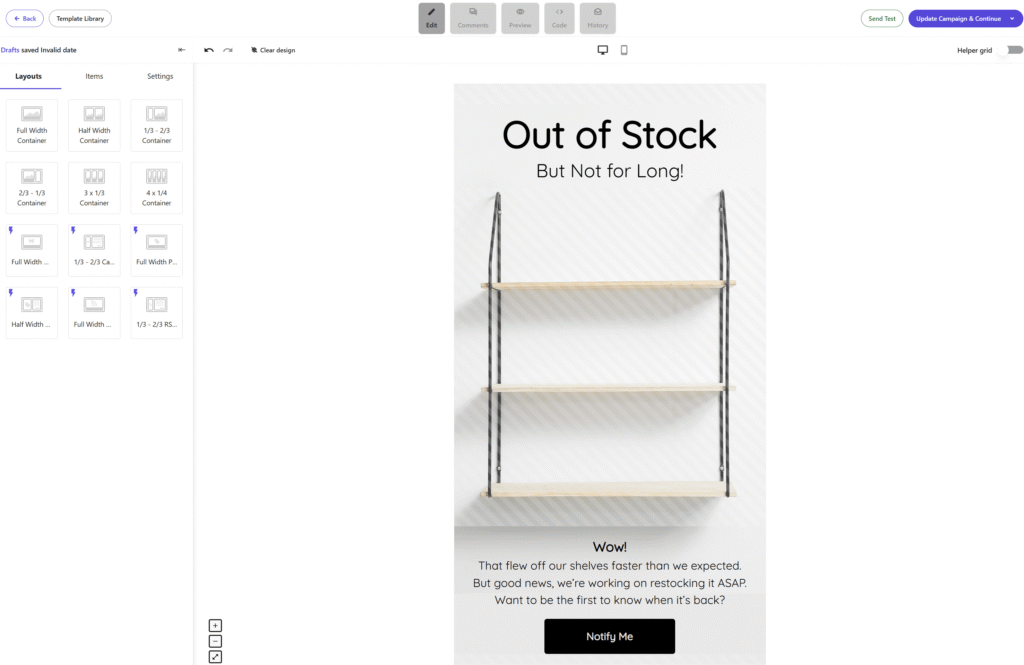
- Trigger out-of-stock and back-in-stock messages to instantly inform highly interested customers.
- Send weather-based promo codes to create immediate urgency and increase conversion rates.
- Use social listening tools to find “high-intent” keywords that don’t mention your brand and join the conversation by providing an insight or a solution to a problem.
The better news? Email automation software like Moosend or Constant Contact offers pre-made templates and workflows to bring most of those ideas to life without wasting extra time or budget.
Engage with users in the comments
Your campaign is only the beginning. To boost customer engagement to its highest level, you need to stay engaged and interact with your audience in the comments. Make sure you are available for at least two hours after you go live, and run a few checks throughout the next few days.
Moreover, if your post receives a strong reaction and pivots into something new, such as a funny joke coming straight from the audience, create a follow-up that leans into it.
Overall, maintaining genuine, real-time interaction with users and fans will instantly make you feel like part of the same community. That is an invaluable asset for your brand.
Real-Time, Real You
Yes, real-time marketing isn’t just the key to virality; it’s also a quick way to reach consumers’ hearts and make them feel like they’ve known you for years. It’s the best recipe for long-term engagement and loyalty.
So, keep an eye on emerging trends and be ready to capture momentum as it starts. Think of the best storytelling and the right means to reach your audience. Whether it’s through a social post, an email campaign, or a print ad.
FAQs
Here are frequently asked questions regarding real-time marketing:
1. What is the difference between real-time marketing and automation?
While these terms are often used interchangeably, they represent two different gears. Real-time marketing is the immediate reaction to a live event or trend, whereas automation is based on pre-selected triggers or conditions.
2. What are the biggest real-time marketing mistakes many brands make?
Many brands try to join every trending hashtag, even when it has nothing to do with their product. This makes the brand look desperate and “cringe.” Timing is also critical; jumping into a trend too late can make your brand appear out of touch or unoriginal.
3. How can you measure the ROI of real-time marketing?
It depends on the strategies you use. For example, you can track if users who engaged with a specific real-time post visited your website, signed up for your newsletter, or made a purchase within a set window after the event.
Similar Posts
 Published by

Create, send and optimize your email marketing campaigns