









How Can I Make My Email Subject Lines Stand Out? Tips & Examples
Published By Alexandra Marinaki
March 6, 2026

06/03/26
Email subject lines are your first impression. They reveal to subscribers what’s in it for them, either sparking interest in your email content or leading to an instant skip.
A “bad” subject line doesn’t always cause annoyance. More often, it just triggers a neutral reaction. In a crowded inbox, though, the result is the same: the email is ignored. Between overflowing folders and busy schedules, readers rarely give a second chance to a subject line that feels dull.
Whether you’ve already mastered the basics or you’re looking to stand out from day one, this post moves beyond standard subject line best practices. We’ve gathered advanced tips and fresh perspectives to help you write truly compelling email subject lines.
Upgrade your subject lines in minutes
Use Moosend’s AI Writer and A/B testing to steal the show.
Start free1. Personalize Beyond Just the First Name
While adding a recipient’s name to a subject line is a good way to grab their attention, it only gets you halfway there. If a name appears next to a sentence that is irrelevant to their interests, you risk confusing or even annoying them.
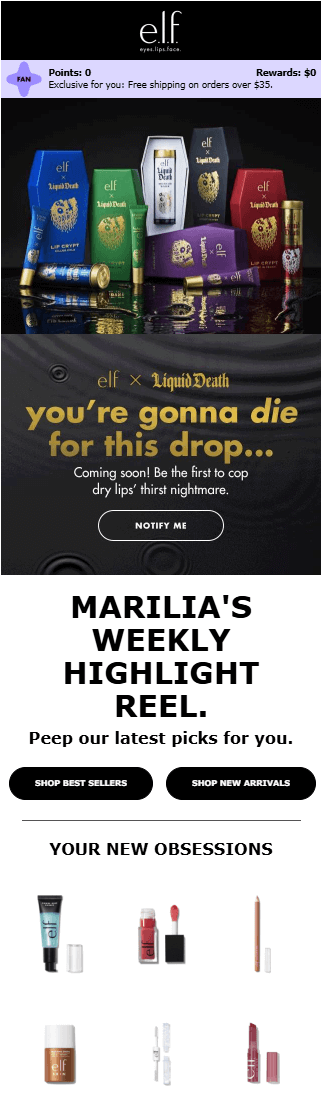
If you use custom fields, ensure the rest of the subject line copy is highly tailored to the recipient. This example from e.l.f. Cosmetics perfectly executes this strategy by making the product recommendations feel bespoke:
Subject line: No bc… these picks are SO Marilia 😮💨
Another effective tactic is segmenting your email lists by purchase history or customer journey stage. Providing distinct groups with specific copy significantly increases engagement. For instance, during a flash sale, you should target lapsed and existing customers with different messaging that reflects their relationship with your brand.
Similarly, when crafting cold emails, hyper-personal details are powerful icebreakers. A line like, “Loved your point about [Specific Detail] at [Event Name],” shows genuine effort.
However, when handling personal data, always double-check that you’re following privacy regulations to avoid unsettling your audience, or worse, raising compliance concerns.
2. Provide Context through Brackets
Want to improve the readability of your subject line? Using brackets as a visual anchor is a great way to help readers quickly identify your email and determine if it’s relevant to them.
Here are some bracket ideas to explore depending on your content:
- [Action Required] Your feedback on the slide deck
- [Event Invitation] Registrations for [Event Name] are open!
- [Collab Request] Our businesses are made for each other
This is also a clever tactic for transactional emails, such as shipping notifications or password recovery. The easier the information is to spot, the more reassured your customers will feel knowing their request is being handled.
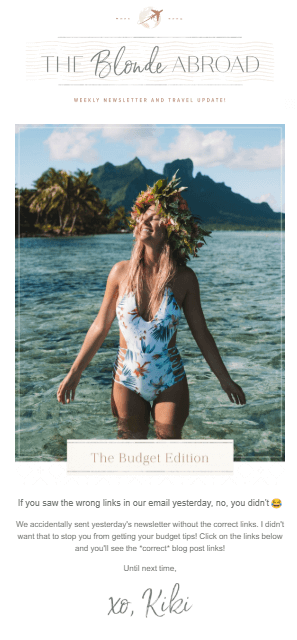
The Blonde Abroad used this approach to correct a mistake in a previous email, ensuring subscribers immediately noticed the fix:
Subject line: Oops [UPDATED LINKS] 🙈
Important note: Avoid adding [Urgent] to your subject line, even when you truly mean it. This often triggers spam filters, sending your email straight to the junk folder and hurting your deliverability. Softer alternatives like [Last Call] or [Final Reminder] are safer and often more effective at driving action.
3. Prompt Curiosity or Mystery
They say curiosity killed the cat, but for marketers, it’s the secret to driving the open. A little mystery in the subject line, provided it resonates with your audience, motivates subscribers to open your email and uncover the rest of the story.
To trigger this response, share a benefit (the “what”) without explaining the “how.” This creates a “curiosity gap” that compels readers to read to close the loop. For example, you can:
- Highlight missed opportunities: “Here’s what you missed from our bestsellers.”
- Tease a new launch: “Your new obsession is live!”
- Lead with the benefit: “5 ways to tackle AI burnout.”
Here’s a compelling subject line from Under Armour that uses this marketing strategy perfectly. Readers want to instantly learn what this “superpower” is and, more importantly, how they can claim it:
Subject line: It’s like a superpower 🦸
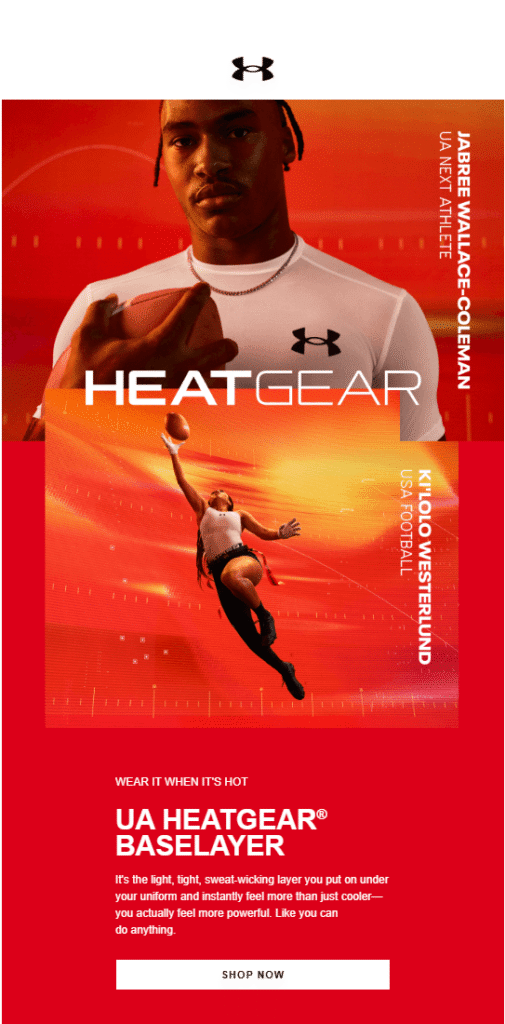
Plus, creating question-based subject lines can have the same impact, especially if the answer feels personal to the reader. Under Armour, for example, has used “Thinking about new shoes?” in a separate campaign to grab the attention of subscribers who were already considering a purchase.
4. Balance FOMO and Urgency
Creating a sense of urgency and triggering the well-known Fear Of Missing Out (FOMO) are often seen as the hallmarks of a great subject line. While there’s some truth in it, you need to use these time-sensitive tactics in moderation.
Think about it: How would you react if a subject line shouting “Act now” appeared in your inbox? While it’s certainly urgent, it’s also pushy and can lead users to move this email straight to the spam folder or hit the unsubscribe button.
To avoid these consequences, simply indicate that a time window is closing or a specific benefit is expiring. The more personalized that benefit feels, the more likely a subscriber is to rush to claim it.
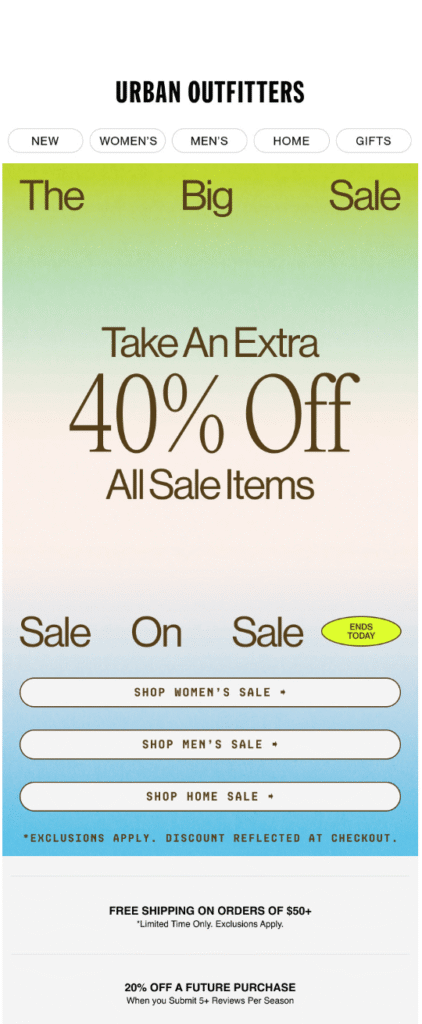
This effective subject line from Urban Outfitters reminds informed email subscribers that an offer “ends tonight.” The urgency is clear, but the tone remains helpful rather than demanding. You can also replace it with “Last call,” “A few hours left,” or “One more chance” to have a similar effect:
Subject line: Ends Tonight! Extra 40% Off Sale
5. Lean into Lowercase
Another trick many brands use to add a personal touch in their email marketing campaigns is writing their subject line in all lowercase. This seems to add a more human element to your message, as if it was written by a friend or colleague.
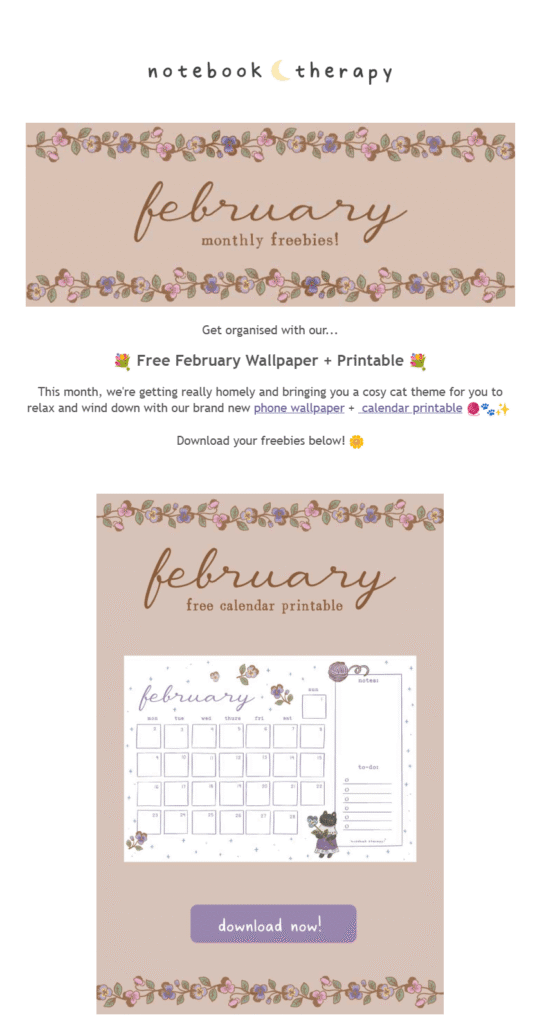
The brand NotebookTherapy consistently uses this tactic, helping their subscribers immediately recognize their signature style in a crowded inbox:
Subject line: free february printables!
On the flip side, subject lines written in all caps come across as aggressive, the digital equivalent of shouting. Not to mention that using all caps for words like “FREE” or “URGENT” can trigger spam filters. So, grabbing attention for the wrong reasons ultimately hurts your brand reputation and your deliverability.
6. Use Emojis Sparingly
Adding emojis to subject lines is a popular tactic for a good reason. This splash of color can indeed make your email subject line stand out in the inbox.
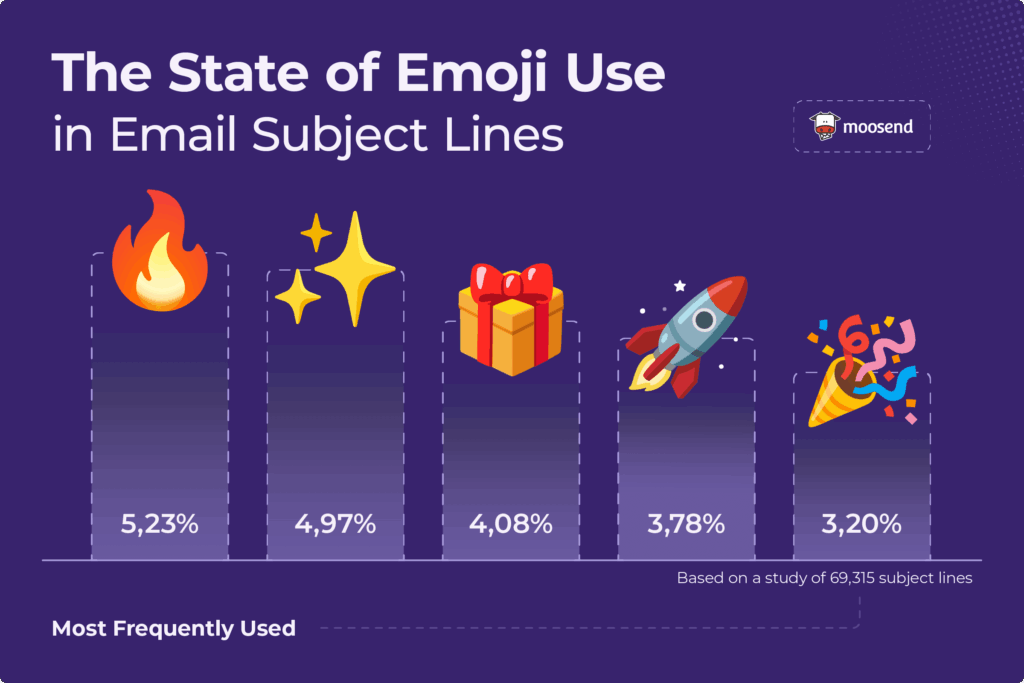
However, certain icons require caution. For example, money-related emojis such as 🤑 or 💰 or more aggressive ones like 💣can be spammy. Instead, opt for “softer” alternatives to hint at promotions or urgency, such as ⌛ or 🎉.
Moreover, there are two technical considerations to keep in mind. First, not every Email Service Provider (ESP) or device displays emojis the same way. Always test your emails to ensure they don’t turn into a broken “blank box” icon.
Plus, screen readers used by people with visual impairments read the literal description of an emoji. To ensure an inclusive experience, place emojis at the end of the subject line rather than using them to replace actual words.
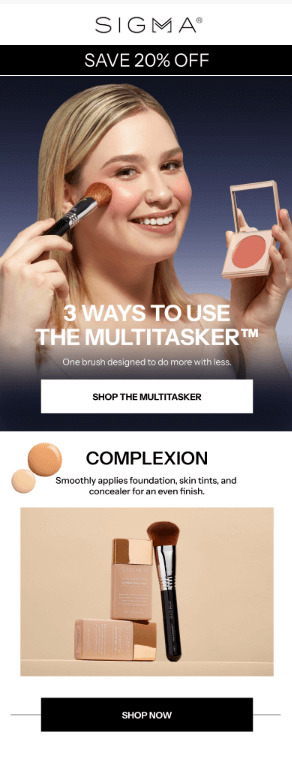
Finally, avoid cluttering your subject line with many emojis. Too many icons look unprofessional and can confuse the reader. Usually, one or two is all it takes to do the trick, as seen in this campaign by Sigma Beauty:
Subject line: Save 20% on a True Multitasker Brush 🙌
7. Create One-Word Subject Lines
Sometimes, going against the flow and creating something brief and simple can lead to a more eye-catching subject line. In fact, just a single word can say it all.
Words like “Update,” “Monday,” or “Question” feel personal and urgent, making them an excellent choice for follow-up emails.
However, use this tactic cautiously. For example, if you’re running a promotional or nurturing campaign, this approach might sabotage your metrics if the reader doesn’t have enough context to click. Moreover, be mindful of your brand voice before stripping everything away.
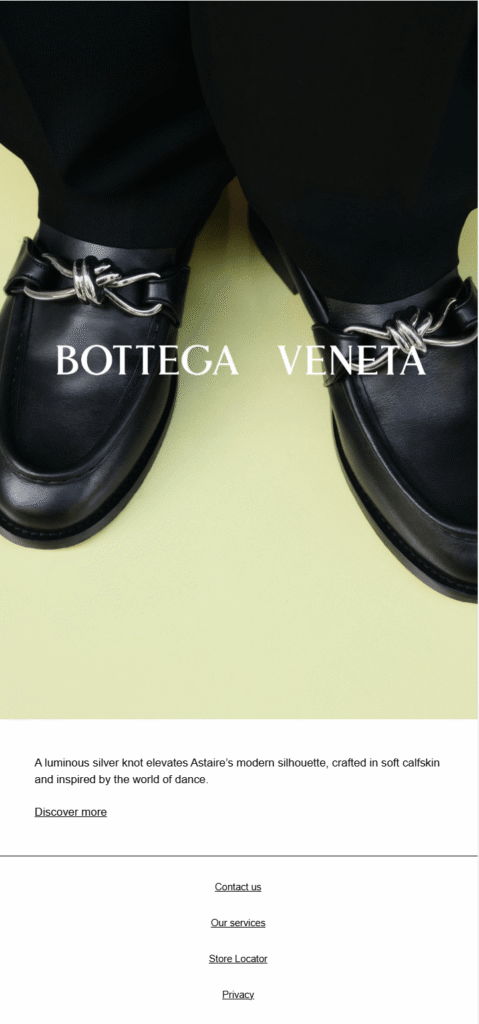
Bottega Veneta, though, was brave enough to try it out. They simply typed “Astaire,” the name of one of their shoe models, to pique the interest of brand enthusiasts and announce a new style:
Subject line: Astaire
8. Lead with Numbers or Stats
Numbers and statistics naturally stand out in the inbox. They provide immediate value and can significantly increase email open rates, especially when combined with a specific benefit or a relatable pain point.
For example, if you’re sending a case study or survey results to move subscribers down the funnel, share your data points right at the start, ensuring they align with the email’s content.
Check out these examples:
- 25% increase in [Metric]. How we did it
- 3 reasons your [System] might be lagging
- The $5k mistake I see in [Industry]
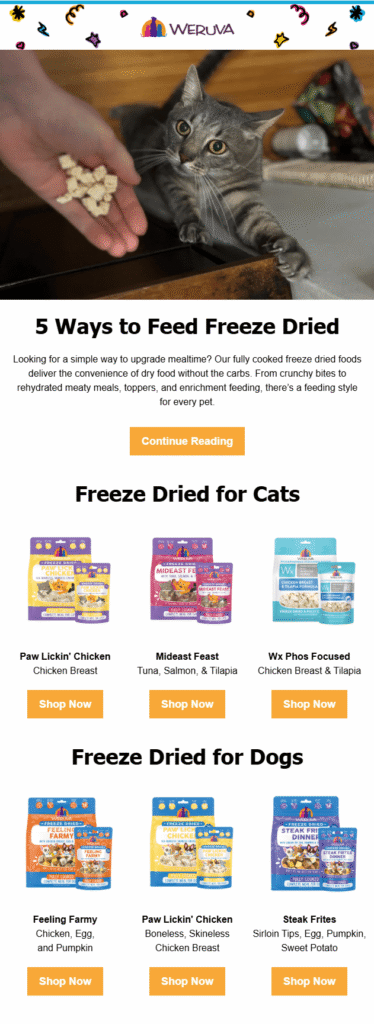
Even if you aren’t sharing a “stat,” using a numbered list sets a clear expectation for the reader. Weruva used this effectively to share tips for improving pet health:
Subject line: 5 Easy Ways to Upgrade Mealtime 🐾
Never mislead readers with “vanity stats” that aren’t actually in the email, and avoid exaggerating claims about your brand. While a fake number might get an open, it will almost certainly hurt your click-through rates and damage subscriber trust.
9. Back Up Your Subject Lines with Data
Before crafting your next campaign, look at how your previous subject lines performed. Identifying the patterns your audience responds to can have a measurable impact on your future success.
Factors such as seasonality and email type influence which format will be most effective. For instance, your subscribers might prefer short, punchy subject lines for weekly newsletters but respond better to longer, detailed ones for educational content.
Similarly, a tactic that works during the Black Friday rush might fall flat in a quiet month like August. If you’re ever unsure about your direction, A/B testing and AI writing tools can help you refine your approach. Most email marketing software, such as Moosend, comes equipped with these tools to help you compare different versions and see what truly resonates.
Create Subject Lines that Drive Easy Opens
Which one of the tips above will you try first? Whichever you choose, ensure you craft a subject line that accurately reflects the content of your email. Aim for 20–40 characters to ensure your message is optimized for all devices.
Test often, stay true to your brand voice, and soon enough, your subscribers won’t just open your emails because of a clever hook. They’ll open them because they trust that what’s inside is worth their time.
FAQS
Check out these frequently asked questions regarding subject line best practices:
1. Does “Re:” or “Fwd:” work in subject lines?
It’s best to avoid them. While they can technically drive higher open rates through trickery, if there is no actual previous conversation, it destroys your brand credibility. Worse, it may flag your message as deceptive, landing it in the spam folder.
2. What triggers spam filters in subject lines?
Salesy and clickbait elements, such as money-related emojis and symbols, and the use of all caps, are red flags. Certain spam words, such as “Free,” “Guaranteed,” “Urgent,” and “Act now,” might lead your emails straight to spam or promotions.
3. How long should a subject line be?
Keep your email subject lines under 40 characters so that they’re optimized for most mobile devices. It’s best to add the “hook” of your copy at the beginning so that everyone reads it.
4. Are emojis in subject lines professional?
In most cases, yes. If your brand tone is more corporate or official, prefer utility-based emojis such as 📅 or ✔️ to keep your copy neutral yet more colorful.
Similar Posts
 Published by
 Published by

Create, send and optimize your email marketing campaigns