














Marketing to Gen Z: Connecting with Younger Consumers in 2026
Published By Alexandra Marinaki
December 12, 2025

12/12/25
Let’s talk about the future of spending: Generation Z. By 2030, their spending power is projected to reach $12T globally, and you can’t afford to ignore them. Born between 1997 and 2012, this demographic is the first truly digitally native generation, raised with immediate access to online information.
The result? Their consumer behavior has changed significantly compared to previous generations. They grew up spotting marketing tricks from a mile away, care about real value, and question every ad that comes their way.
In this article, you’ll discover key insights about marketing to Gen Z, along with their traits, preferred marketing channels, and tactics that can help you reach them more effectively. Also, you’ll learn tips to address them without compromising your brand’s core identity.
Decoding Gen Z’s Consumer DNA & Key Marketing Trends
Gen Zers have a unique consumer mindset. Let’s explore their main traits to understand them better.
Authenticity and transparency
Young consumers seek value and authenticity. They support brands that align with their personal ethics and are brave enough to take a public standpoint. Moreover, Gen Z can easily distinguish between proactive and performative marketing.
For example, they’re more likely to choose brands that follow environmentally friendly practices. Eco-friendly packaging, sustainable sourcing, and social responsibility actions should be high on every retailer’s and manufacturer’s agenda to win the trust of Gen Z. These practices should be presented with full transparency. Brands should openly share data on their initiatives and impact, not just make generic statements.
So what makes an authentic marketing experience for Gen Z? It’s a “come as you are” brand mindset. They want brands that welcome individuality, whether through online and offline engagement events or gamified spaces where they can create profiles or avatars and show who they are.
Conversational and real-time communication
Being digital natives definitely changed the game for Gen Z’s communication preferences. They pretty much live in digital messaging channels and social media, which they can easily access on their smartphones, and often skip traditional ones. Instagram and WhatsApp, for instance, are essential for them.
This generation is all about immediacy and speed. They don’t want lengthy conversations, but quick responses. Emojis, memes, GIFs, and reels are sent more often and win out over text-heavy messages. Plus, Internet slang, acronyms, and lo-fi content are definitely on their bucket list.
Finally, Gen Z wants to keep it real. They prefer to communicate in ways that let them express their authentic selves, rather than participate in formal transactions. And of course, they expect the same energy from the brands they interact with.
Social media shopping
For younger generations, social media platforms aren’t just for communication. Social commerce is already dominating their shopping habits, with 58% of Gen Zers having made a purchase directly through a social media channel.
Short-form video platforms like TikTok, Instagram Reels, and YouTube Shorts are often outperforming traditional search engines for this cohort. To keep up, brands are now incorporating Video Search Optimization (VSO) into their overall SEO strategy.
Influencer marketing and user-generated content (UGC) play a key role here. This trend reflects Gen Z’s preference for community and peer validation over fancy brand messaging.
Since all this shopping is happening on social media, Gen Z’s purchase journey is mainly mobile-first. Every experience should be responsive and seamless. Offering dedicated apps and implementing one-click checkout are essential for maximizing conversion rates.
Hyper-personalization and data privacy
Gen Z expects deep customization rather than simple personalization. That’s why many brands are introducing features like Augmented Reality (AR) try-ons, custom recommendations, and interactive design tools.
Also, since this generation was practically raised by the internet, they demand immediacy and have short attention spans. To tackle this, marketers must hook them straight away.
Brands use machine learning to adjust their messaging and tailor the experience as much as possible. AI-driven gamification, real-time performance previews, or live events that seamlessly blend online and traditional marketing drive more engagement.
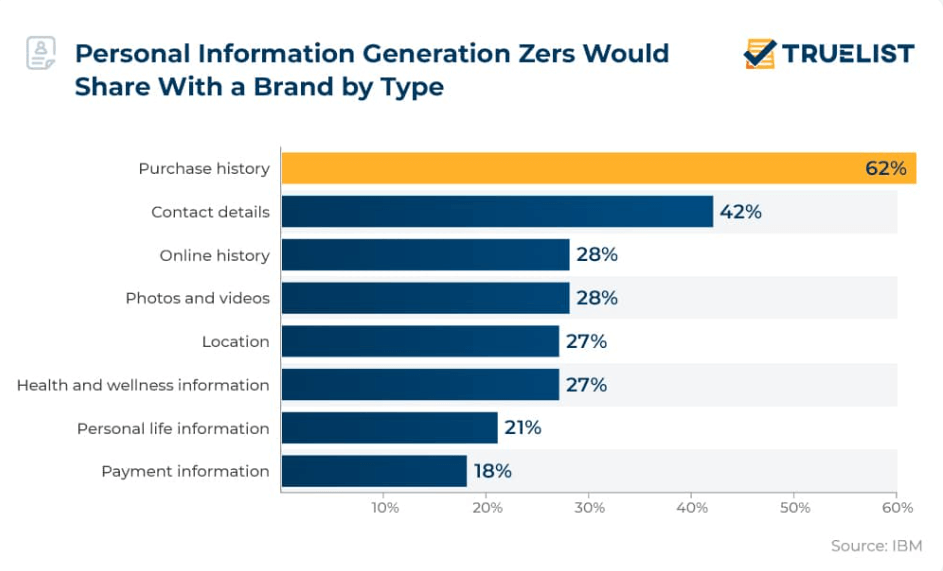
All this customization comes with a trade-off, as Gen Z is usually concerned about sharing their private data. However, when presented with the right incentives, they’re more willing to share it.
Social responsibility
Mental health, sustainability, and inclusivity are not just trending topics for this generation of consumers, but top priorities. Gen Z is deeply attuned to these causes and actively supports brands that take a similar stance. If you follow and believe in an ethical marketing agenda, you can gain their trust.
Remember, this generation isn’t just a passive observer. For them, by-standing is a major red flag. Brands are expected to integrate these values into their business, and anything less will be seen as a failure of social responsibility.
Budget-consciousness and impulse-buying
While they’re often described as super risk-averse, almost one in two Gen Zers actually admit to making emotional, impulsive purchases. This clearly shows that emotions often drive their behavior.
However, brands should handle this sensitivity with care. Given their high standards for authenticity and genuineness, manipulative tactics like FOMO and fake scarcity are instantly spotted. Trying those old tricks often backfires, leading straight to distrust.
Does Gen Z Require A Whole New Marketing Approach?
Are you wondering if your existing marketing strategy is enough to appeal to younger audiences? The answer is, it depends on your mindset. If segmentation and personalization are already in your toolkit, you’re definitely headed in the right direction. However, if you’re still relying on a one-size-fits-all strategy, it’s time to rethink your approach.
The opportunity for growth lies in moving beyond mass broadcast messaging and embracing data-driven personalization and conversational tools. Gen Z can easily tell when their data is used responsibly and view thoughtful personalization as a sign of responsible marketing.
So, what happens to businesses that aren’t inherently digital-first or currently lack the “Z-friendly” go-to tactics? Are they doomed or obsolete?
As long as authentic and transparent methods remain key for your business, you’re already halfway there. You can embrace the new and strategically evolve in the areas you can.
How to Include Gen Z Tactics into Core Marketing Functions
Here are some quick, non-disruptive fixes to target Gen Z, allowing you to gradually evolve your strategy without changing it to the core.
1. Turn long-form content into snackable
Their preference for short-form video and reels shows that Gen Z is less likely to read through long text, especially if it isn’t easily scannable. The same limited attention applies to videos that require extended watch time.
Propose rich, long-form content for this segment by slicing it into smaller, digestible formats. A quick TikTok video, a Snapchat reel, or even an engaging LinkedIn infographic can significantly move the needle.
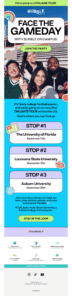
For example, if email works well for your brand, segment your Gen Z audience and send them short, visual emails instead of long newsletters, and then adjust based on how they engage.
Check out this email from Bubble. The content is playful, inclusive, and snappy, which is the perfect formula for attracting young people.
2. Prioritize micro-influencers and user-generated content
While many brands focus on broad partnerships and paid media campaigns, micro-influencers seem to have greater influence over Generation Z. Niche content creators with in-depth knowledge thrive within their smaller communities. This lets them form stronger, more credible connections with customers, and that’s something the new generation trusts immediately.
To double this effect, brands need to actively encourage their own customers to share content online using their products and services. This is how you gain organic traction.
A highly effective approach is to run a giveaway contest where you invite followers to share your new products online using a specific branded hashtag. In exchange, offer a prize to a lucky winner. This tactic transforms customers into genuine brand advocates and generates a steady stream of authentic UGC that Gen Z favors over traditional ads.
3. Hyper-personalize content with AI
The rise of AI is not a future trend for Gen Z. They grew up on the TikTok “For You” algorithm and Netflix’s tailored home screens. As a result, they do not just accept AI personalization; they absolutely expect it.
Here’s how to future-proof your marketing strategy and stay relevant to Gen Z:
- Deliver real-time product recommendations based on interests and behavior
- Craft ads and content that look and feel like they belong on the feed of each social platform
- Improve customer service through AI chatbots and virtual assistants for immediate response
Many marketing tools, such as email and CRM software, have integrated AI recommendation capabilities. By integrating them with your eCommerce store, you can access lookalike audiences and group prospects by interests or customer behavioral data to deliver relevant recommendations.
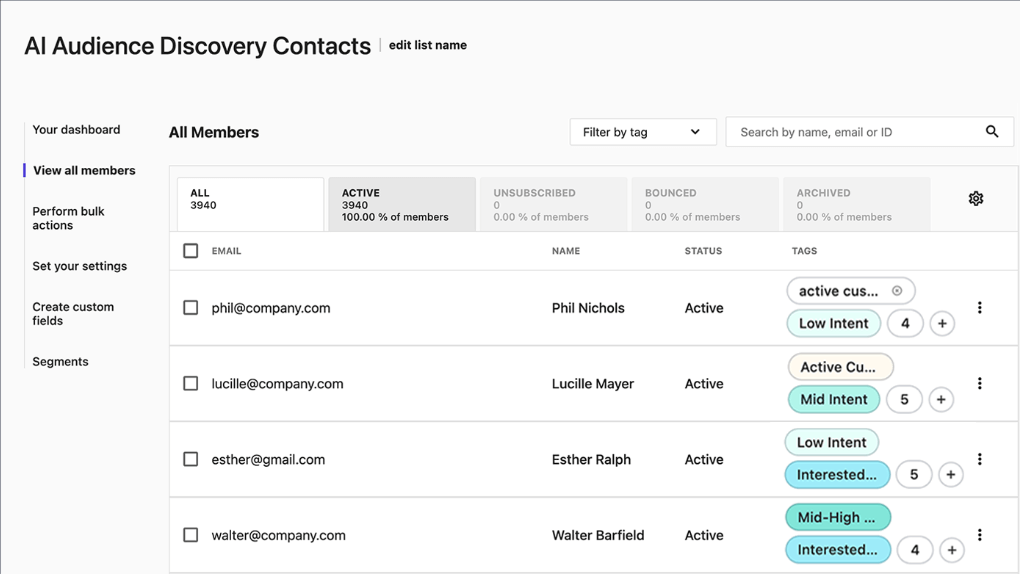
An ethical warning: Request an explicit data disclosure agreement and an opt-in to deliver those experiences. Gen Z consumers are oversensitive to data violations and eager to point them out, so do everything by the book.
4. Optimize the mobile social commerce journey
Gen Z expects mobile-first shopping, and a standalone website isn’t always where discovery happens. You must actively leverage social media shopping options, such as Instagram Shop, to create a unified mobile-first experience.
Every single customer who discovers your products on their smartphone needs to be just one or two clicks away from checkout. Social commerce options help remove that friction by letting users browse, select, and buy without ever leaving the platform.
On top of that, make sure you offer a variety of secure payment methods, including “Buy Now, Pay Later” (BNPL) options, because this is heavily favored by the generation that prioritizes savings.
Also, adding interactive elements, such as AI-powered product recommendations and custom filters, will win you extra loyalty points by making the process seamless and engaging.
5. Embrace community marketing methods
If you’re serious about building strong connections with your younger audience, you need more than basic transactional campaigns. Your goal should be to create opportunities for real-time communication through community marketing efforts.
Think about hosting online live sessions, dedicated private groups, or engaging Q&A sessions. These are the conversations that build genuine loyalty.
These vital connections can also take place offline. For example, you can invite Gen Z customers to pop-up events, offering selfie spots or photo-friendly setups, allowing them to hang out with other Gen Zers, and offering behind-the-scenes access that feels exclusive and “postable.”
This approach is powerful because it rewards customers with experiences, transforming them into a loyal community and fostering authentic, long-term brand advocacy.
6. Show your brand’s values through action
Generation Z strongly disapproves of brands that fail to live up to their mission and disrespect their public values. To earn their trust, you have to walk the walk, not just talk the talk.
To reduce the risk of a PR disaster, you should prioritize subtle, verifiable cues over loud marketing campaigns that can be instantly dismissed as greenwashing or performative activism.
For instance, embed ethical resources directly on your product pages and commit to full transparency about business processes. This quiet confidence will prove that your values are integrated into your daily operations, not just something you say in your advertising.
7. Optimize your content for AI tools
Gen Z already treats AI tools as part of their daily workflow. Early data shows they see ChatGPT as a resource and even a coworker. As these tools become embedded in shopping journeys, brands will need to consider how their product catalogs, messaging, and recommendations appear within AI-driven chats.
You should actively monitor these integrations and prepare for conversational shopping as an emerging channel. This trend reinforces the broader narrative that Gen Z expects speed, convenience, and conversational interactions across every touchpoint.
Move Beyond Gen Z Marketing Trends
Even though Generation Z is a force in the spending economy, their core values and consumer habits are still in progress. Technology is moving so fast that predicting exactly how this generation will adapt to our ever-evolving economic environment is challenging.
So, what’s the ultimate strategy? Move beyond just tracking trends. Create an open, genuine communication channel with young consumers to learn first-hand what they need and how they want it delivered. This continuous dialogue is what builds authenticity and, ultimately, secures the long-term loyalty of a generation that puts values and transparency above all else.
FAQs
Let’s explore the most frequently asked questions regarding marketing to Gen Z:
1. What are the best social platforms for reaching Gen Z?
The most popular social platforms for Gen Z are YouTube (especially Shorts), Instagram (Reels), TikTok, and Snapchat. These are closely followed by Facebook, Discord, and X.
2. How can brands leverage TikTok to reach Gen Z?
To use TikTok effectively, brands should prioritize authentic and entertaining short-form videos. This includes actively participating in platform challenges and trends, and creating genuine collaborations with their favorite content creators and micro-influencers.
3. What does Gen Z value in marketing?
Gen Z supports brands that align with their values and prioritize authenticity. They appreciate flexible payment options (like BNPL), hyper-personalized marketing experiences, and genuine community participation initiatives.
4. What role does gamification play in Gen Z marketing strategies?
Generation Z is fond of interactive experiences that adhere to their preference for engaging, short-form content and personalization.
Similar Posts
 Published by


Create, send and optimize your email marketing campaigns